Stepping into a Starbucks and ordering that velvety-smooth cold brew is a ritual for many. There’s just something about its low acidity and rich, robust flavor that sets it apart. But what if you could recreate that magic in your own kitchen? The dream of having a Starbucks-quality cold brew on demand is closer than you think, especially when you understand the ins and outs of the cold brew making process and the tools that can help you get there.
What is a Cold Brew Maker and Why You Need One for Starbucks-Style Coffee
At its heart, a cold brew maker is a simple yet ingenious device designed to produce coffee concentrate through a long, slow immersion process with cold water. Unlike traditional hot brewing, which uses heat to extract flavors quickly, cold brewing patiently extracts the soluble compounds from coffee grounds over many hours. This gentle method results in a significantly smoother, naturally sweeter, and less acidic coffee concentrate.
Why would you need a dedicated cold brew maker, especially if you’re aiming for that signature Starbucks taste? While you can technically cold brew in a French press or even a mason jar, a specialized cold brew maker simplifies the process, often offering superior filtration, larger capacities, and a design that optimizes extraction. For achieving a consistently excellent, café-like cold brew at home, these devices become invaluable. They take the guesswork out of the equation, helping you replicate the precise techniques that deliver that beloved Starbucks flavor profile.
Demystifying the Starbucks Cold Brew Maker: A Specialized Approach
While Starbucks itself often guides customers on how to make cold brew using general home equipment like a coffee press, there are indeed specialized devices that carry the Starbucks branding, or are designed to emulate the precision of Starbucks’ in-store cold brew system. These dedicated Starbucks Cold Brew Makers are crafted with several key features in mind to ensure a consistently high-quality brew.
A typical Starbucks cold brew maker is engineered for optimal low-temperature, extended extraction. It often includes a durable reservoir made from high-quality materials, designed to maintain a stable temperature throughout the long steeping process. This stability is crucial for consistent flavor development. Furthermore, these makers typically feature a precision filter system, which is paramount for separating the coffee grounds from the liquid efficiently, all while preserving the coffee’s natural oils that contribute to its distinctive body and aroma. A user-friendly lid completes the design, preventing contamination and ensuring uniform brewing conditions.
“The secret to a truly exceptional cold brew, whether it’s from your local café or your kitchen, lies in controlled extraction,” explains barista and coffee expert, Elias Thorne. “A well-designed cold brew maker provides that control, ensuring every compound is extracted at its peak, leading to that smooth, sweet finish.” The robust construction and innovative design of these branded cold brew makers aim to deliver the precision and quality that coffee aficionados associate with Starbucks. This focus on design and functionality ensures uniform extraction, making them a top choice for those serious about their home brewing.
Choosing Your Cold Brew Companion: Types and Considerations
Beyond any specific Starbucks-branded device, the market offers a variety of cold brew makers, each with its own advantages. Understanding these can help you choose the best tool to achieve your desired Starbucks-like cold brew.
- Immersion Brewers: These are the most common type, where coffee grounds steep directly in water. They often feature a fine mesh filter basket that can be easily removed. Examples include glass carafes with infusers or simple pitchers. They are excellent for full-bodied, rich concentrates.
- French Press: While primarily designed for hot coffee, a French press can double as a cold brew maker. Its plunger effectively separates grounds from liquid. The key here is to not press the plunger until steeping is complete, and to pour carefully to avoid sediment.
- Drip Cold Brewers: These machines slowly drip cold water over coffee grounds, extracting the concentrate over several hours. They tend to produce a cleaner, brighter cold brew with less sediment. They can be more complex and expensive but offer excellent control.
- Mason Jar Kits: These affordable kits often include a special lid with a built-in filter, allowing you to turn any wide-mouth mason jar into a cold brew system. They are convenient for smaller batches and travel.
When aiming for a “Starbucks quality” cold brew, consider factors like capacity (do you want a single serving or a week’s worth of concentrate?), ease of cleaning, and the filter’s effectiveness. A fine mesh filter is crucial to prevent excessive sediment, which can lead to a gritty texture that detracts from that signature smooth Starbucks feel. Many home brewers find that a simple immersion brewer with a good filter is often the sweet spot between convenience, cost, and quality for replicating the café experience.
Brewing Perfection: Your Step-by-Step Guide with a Starbucks Cold Brew Maker
Whether you’re using a specific Starbucks cold brew maker or a high-quality immersion brewer, the process to create that perfect, rich concentrate is fundamentally the same. Precision and patience are your best friends.
Gather Your Essentials
Before you begin your brewing adventure, ensure you have:
- Your chosen cold brew maker (be it a branded Starbucks model or a reliable alternative).
- Fresh, coarsely ground coffee beans.
- Cold, filtered water (this is critical for taste!).
- A digital coffee scale for accurate measurements.
- A timer (or your phone’s alarm).
Mastering the Grind and Ratio
The right grind size and coffee-to-water ratio are non-negotiable for a superior cold brew.
- Weigh Your Coffee: For a strong concentrate, a coffee-to-water ratio between 1:8 and 1:10 by weight is ideal. For instance, if you use 100 grams of coffee, you’ll need 800-1000 ml of water. This creates a concentrate you can dilute later.
- Grind the Beans: Use a burr grinder for a consistent, coarse grind, similar to raw sugar or coarse sea salt. An inconsistent or too-fine grind can lead to over-extraction, bitterness, and sediment.
Immersion and Steeping
This is where the magic happens, slowly.
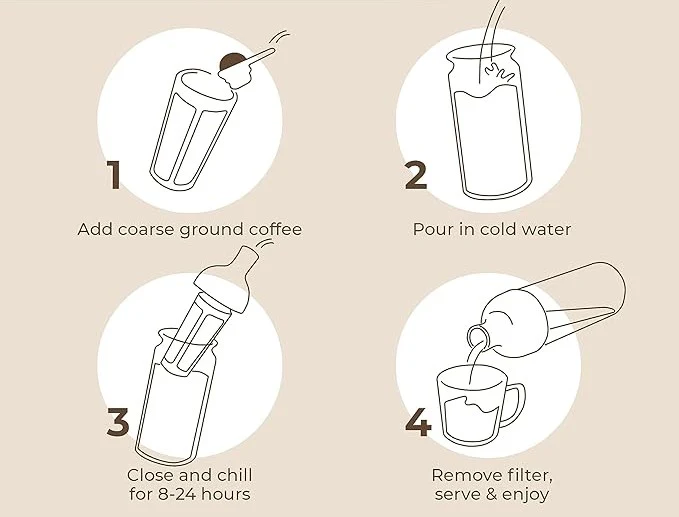
- Fill the Reservoir: Place your measured coffee grounds into the maker’s reservoir or filter basket.
- Pour Water: Slowly and evenly pour the cold, filtered water over the grounds. Make sure all the grounds are thoroughly saturated. A gentle stir can help break up any dry clumps.
- Secure the Lid: Cover your cold brew maker to maintain a consistent environment and keep any unwanted elements out.
- Set the Timer: Allow the coffee to steep for 12 to 24 hours. A 12-hour steep often yields a lighter, more balanced brew, while 18-24 hours will produce a stronger, more concentrated flavor, akin to what you might find at Starbucks. Experiment to find your sweet spot.
Filtration and Concentration
Once steeping is complete, it’s time to separate the liquid gold.
- Separate the Brew: Carefully remove the filter basket containing the spent grounds from the concentrate. If using a French press, slowly depress the plunger.
- The Result: You now have a potent cold brew concentrate.
Dilution and Serving
This is where your cold brew becomes a beverage.
- Dilute to Taste: Cold brew concentrate is powerful! Most people dilute it with water, milk, or a milk alternative. A common starting point is a 1:1 ratio (one part concentrate to one part water/milk), but adjust based on your preference.
- Serve Immediately: Pour your diluted cold brew over ice and enjoy its refreshing smoothness.
Insider Tips and Tricks for Optimizing Your Starbucks Cold Brew Flavor
Crafting cold brew isn’t just about following steps; it’s about refining the process to match your palate, especially when aiming for that distinctive Starbucks quality.
One of the most exciting aspects of home cold brewing is the freedom to experiment with coffee-to-water ratios and steeping times. While 1:8 to 1:10 is a solid starting point, don’t be afraid to adjust. A slightly higher coffee ratio (e.g., 1:7) might yield a bolder concentrate, while a shorter steeping time (e.g., 12-14 hours) could result in a brighter, less intense brew. Keep a small journal of your experiments to track what works best for you.
The quality of your ingredients is paramount. Just like Starbucks sources premium beans, your choice of coffee beans dramatically impacts the final flavor. Opt for freshly roasted, high-quality beans. Many Starbucks blends, particularly those labeled “espresso roast” or “dark roast,” can provide a similar flavor profile to their in-store cold brew. Always use filtered water; tap water can contain minerals and chemicals that impart off-flavors, masking the delicate notes of your coffee.
Finally, maintenance is key to both the longevity of your cold brew maker and the purity of your brew. Regular cleaning prevents the buildup of coffee oils and residues, which can turn rancid and affect the flavor of subsequent batches. Disassemble your maker after each use, rinse thoroughly with cold water, and deep clean weekly with a mild detergent.
“Consistency in brewing isn’t just about following a recipe, but about understanding how each variable interacts,” notes coffee professional Dr. Anya Sharma. “From the water temperature to the bean’s roast level, every detail contributes to the intricate flavor tapestry of your cold brew.” By paying attention to these details, you can truly elevate your homemade Starbucks cold brew experience.
Why Cold Brew Reigns Supreme: Benefits Beyond the Barista
Beyond its delicious taste, cold brew coffee offers several compelling advantages that make it a favorite among coffee lovers and a smart choice for your daily caffeine fix.
One of the most significant benefits is its lower acidity. The cold brewing process extracts fewer acidic compounds than hot brewing, resulting in a coffee that is gentler on the stomach. If you’ve ever experienced indigestion or heartburn from regular coffee, cold brew can be a game-changer. This also contributes to its incredibly smooth taste, free from the bitterness often found in hot-brewed coffee that has been over-extracted.
Cold brew concentrate is also incredibly versatile. It can be diluted with water for a classic iced coffee, mixed with milk or cream for a latte, or even used as a base in cocktails or baking recipes. Its concentrated form means it takes up less space in your fridge and offers convenience for busy mornings – just pour, dilute, and go!
Furthermore, cold brew’s rich and full-bodied flavor holds up exceptionally well when diluted or mixed with other ingredients, ensuring that the delicious coffee taste always shines through. It’s a truly refreshing alternative, especially during warmer months, but its smooth profile makes it enjoyable year-round.
Preserving Your Brew: Storing and Enjoying Your Homemade Starbucks Cold Brew
Congratulations, you’ve brewed a batch of magnificent cold brew concentrate! Now, how do you keep it fresh and delicious?
Once filtered, your cold brew concentrate should be stored in an airtight container in the refrigerator. A glass pitcher or jar with a tight-fitting lid is ideal. Properly stored, your concentrate will typically stay fresh for 7 to 10 days. While it might technically be safe to consume for a bit longer, the flavors will start to degrade, losing their vibrancy and smoothness.
When it comes to enjoying your cold brew, the possibilities are endless:
- Classic Iced: Serve over plenty of ice, diluted with water to your preferred strength.
- Creamy Delight: Add a splash of milk, cream, or a non-dairy alternative. Sweeteners like simple syrup, vanilla syrup (a Starbucks favorite!), or caramel can further enhance the flavor.
- Hot Cold Brew: Yes, you can heat it! While it might seem counterintuitive, warming cold brew concentrate creates a uniquely smooth hot coffee experience, free from bitterness.
- Creative Concoctions: Use it as a base for coffee cocktails, smoothies, or even in recipes for desserts like tiramisu.
Don’t be afraid to experiment with different additions, from a dash of cinnamon to a pump of flavored syrup. Your homemade Starbucks cold brew is a canvas for your personal coffee creativity.
Frequently Asked Questions About the Starbucks Cold Brew Maker
What makes the Starbucks Cold Brew Maker unique compared to other models?
The branded Starbucks Cold Brew Maker, often praised for its precision, typically features a durable design, advanced filtration system, and robust build that ensures consistent extraction during long steeping times. It’s optimized to maintain a stable brewing environment, crucial for achieving that smooth, flavorful Starbucks-like cup.
What coffee beans are best for a Starbucks-style cold brew?
For a Starbucks-style cold brew, opt for high-quality, freshly roasted beans, often medium to dark roasts. Many of Starbucks’ own blends, like their Espresso Roast or House Blend, work exceptionally well. Look for beans with notes of chocolate, caramel, or nuttiness to replicate the rich, bold flavor profile.
How long does homemade cold brew last?
Properly stored in an airtight container in the refrigerator, homemade cold brew concentrate will typically remain fresh and flavorful for 7 to 10 days. Beyond this period, the quality and taste may begin to diminish.
Can I use hot water to speed up the process?
No, traditional cold brew strictly uses cold or room-temperature water for extended steeping. Using hot water would result in “flash brewed” or iced coffee, which extracts different compounds and will yield a more acidic and bitter flavor profile, not the smooth taste characteristic of cold brew.
Is cold brew stronger than regular coffee?
Cold brew concentrate is generally stronger than an equal volume of regular hot-brewed coffee due to its higher coffee-to-water ratio and extended extraction. However, it’s typically diluted before consumption, so the final strength per serving depends on your dilution ratio.
How much concentrate should I use per serving?
A common starting point for dilution is a 1:1 ratio of cold brew concentrate to water, milk, or a non-dairy alternative. Adjust this ratio to your personal preference for strength and flavor.
Are there any quick methods for making cold brew if I’m short on time?
While traditional cold brew requires patience, some manufacturers offer “instant” cold brew systems that reduce steeping time significantly. However, these quick methods might yield a slightly different flavor profile compared to the full, slow immersion process of a classic cold brew maker.
Conclusion
Embracing the world of homemade cold brew, especially with a focus on achieving that sought-after Starbucks quality, is a rewarding journey for any coffee enthusiast. By understanding the essentials of cold brewing, selecting the right cold brew maker, and following precise steps, you can consistently craft a velvety-smooth, low-acid concentrate that rivals your favorite café’s offering. The process is not just about making coffee; it’s about mastering a craft, tailoring flavors to your exact preference, and bringing the luxury of premium cold brew right into your daily routine. So, grab your Starbucks cold brew maker (or your preferred cold brew companion), choose your favorite beans, and embark on a delicious path to coffee perfection. Your taste buds will thank you!