In the vibrant world of coffee, cold brew has transcended trendiness to become a beloved staple, cherished for its smooth, low-acid profile and rich, nuanced flavors. For serious coffee aficionados, bustling cafes, and innovative restaurants, a standard brewing method simply won’t do. This is where the Professional Cold Brew Coffee Maker steps in, transforming the art of cold extraction into a science of consistency and scale. Whether you’re aiming to elevate your home coffee game to barista-level standards or streamline a high-demand commercial operation, understanding these sophisticated brewing systems is your first step towards cold brew mastery.
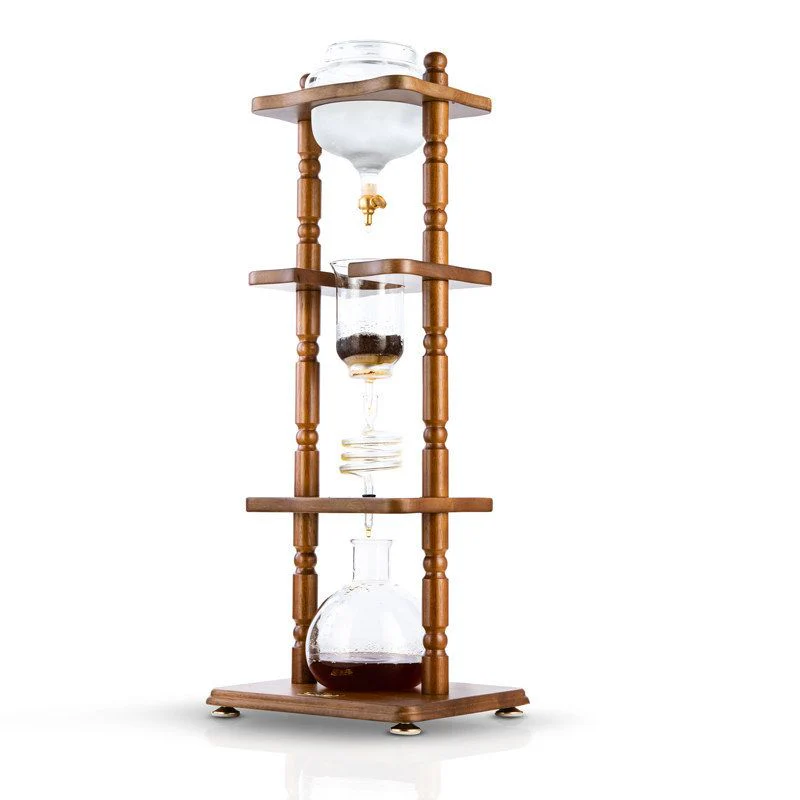
What is a Professional Cold Brew Coffee Maker and Why You Need One
When we talk about a “professional” cold brew coffee maker, we’re not just referring to a larger version of a countertop gadget. We’re discussing a class of equipment designed for superior performance, durability, and the ability to produce high-quality cold brew consistently, often in significant volumes. These makers bridge the gap between simple DIY methods and industrial-scale production, offering robust solutions for discerning users.
At its core, a professional cold brew coffee maker is built to withstand rigorous use, deliver precise extraction, and simplify the process of making large batches of cold brew concentrate or ready-to-drink coffee. The “why” is compelling:
- Unmatched Quality and Consistency: Professional makers offer greater control over variables like water flow and filtration, leading to a consistently delicious product every time.
- Enhanced Efficiency: Designed for ease of use and streamlined cleaning, these systems save time and labor, especially crucial in commercial environments.
- Scalability: From serious home brewers who consume a lot of cold brew to cafes needing dozens of gallons daily, these machines come in capacities that match diverse needs.
- Cost-Effectiveness: Producing cold brew in-house, especially with an efficient professional system, significantly reduces per-serving costs compared to buying pre-made.
- Durability: Typically constructed from high-grade materials like stainless steel, they are built to last, providing a reliable long-term investment.
“A truly professional cold brew maker isn’t just about size; it’s about the engineering that ensures every drop is as perfect as the last, scaling up quality without compromise,” explains renowned coffee consultant, Clara Jensen.
Navigating the World of Professional Cold Brew Makers: Types and How to Choose
The landscape of professional cold brew coffee makers offers diverse options, each with its own advantages. Understanding the primary types and key features will help you select the ideal system for your specific requirements.
Immersion Systems: The Time-Honored Method
Immersion cold brew makers are arguably the most common and straightforward. They involve steeping coarsely ground coffee in cold water for an extended period, typically 12 to 24 hours. The coffee grounds remain fully submerged throughout the brewing cycle.
- Pros: Known for producing a full-bodied, rich, and often intensely flavored concentrate. They are relatively simple in design, often requiring fewer moving parts, which can translate to easier maintenance. Many large-capacity stainless steel systems operate on this principle, allowing for substantial batch production.
- Cons: The main drawback is the long brew time. For businesses with high, fluctuating demand, this can require significant planning and storage. Manual filtration can also be a more involved process depending on the system.
Drip/Accelerated Extraction Systems: Speed Meets Precision
These systems, sometimes referred to as “Kyoto-style” or employing “Accelerated Cold Extraction (ACE)” methods, represent a more active and often faster approach to cold brewing. Water is slowly dripped over coffee grounds, extracting the coffee without full immersion. Some advanced commercial systems use pumps or controlled flow rates to speed up this process.
- Pros: Can significantly reduce brew times, with some electric models delivering concentrate in minutes rather than hours. They often yield a cleaner, brighter cup with less sediment. Advanced models offer more control over the extraction process, allowing for fine-tuning of flavor profiles. These systems are often highly efficient in producing concentrates with higher Total Dissolved Solids (TDS).
- Cons: Generally more complex in design and can be significantly more expensive than immersion systems. They may require more specialized cleaning and maintenance.
Key Features to Consider When Choosing Your Professional Cold Brew Maker
Selecting the right professional cold brew coffee maker involves evaluating several critical factors to ensure it aligns with your operational needs and quality standards.
- Capacity: This is paramount. For a small cafe, a 5-15 gallon system might suffice, while larger operations could require 30-50 gallon brewers or even modular setups. Even dedicated home enthusiasts might opt for a 1-2 gallon system to keep a fresh supply on hand. Consider both daily consumption and peak demand.
- Material: Stainless steel (specifically 304 Brewer’s Grade) is the gold standard for professional makers. It’s durable, non-reactive, easy to sanitize, and prevents flavor transfer. While glass can be elegant for smaller home-use brewers, it lacks the robustness required for a true professional environment. Food-grade plastics and silicone components are also acceptable for seals and hoses.
- Filtration System: A high-quality, ultra-fine stainless steel mesh filter is essential for producing a clean, grit-free cold brew. Some systems incorporate multi-stage filtration or allow for optional paper filters to achieve exceptional clarity. The ease of cleaning the filter is also a major consideration.
- Ease of Use & Maintenance: A professional system should simplify, not complicate. Look for features like wide openings for easy loading of grounds, simple assembly/disassembly, built-in spigots or direct-to-keg connections for effortless dispensing, and components that are easy to clean (ideally dishwasher-safe for smaller parts).
- Dispensing Options: For commercial use, systems with direct-to-keg filtration are invaluable for serving nitro cold brew or large volumes efficiently. For smaller setups, a sturdy spigot for easy pouring is a must.
- Space & Design: Consider the physical footprint of the machine relative to your available counter or storage space. Some systems are designed to be compact, while large commercial brewers require dedicated areas.
- Automation & Control: Higher-end drip systems might offer features like automated water supply, programmable flow rates, or even temperature control, providing superior consistency and reducing manual oversight.
Crafting the Perfect Brew: Using Your Professional Cold Brew Maker
While specific instructions will vary by model, the general principles for brewing with a professional cold brew coffee maker are consistent. Here’s a step-by-step guide to achieving cold brew perfection:
- Select Your Beans and Grind: Start with high-quality, fresh coffee beans. For cold brew, a coarse grind, similar to breadcrumbs, is crucial. A coarse grind minimizes over-extraction and prevents your filter from clogging.
- Determine Your Ratio: The coffee-to-water ratio is key to concentrate strength. A common starting point for concentrate is a 1:4 to 1:8 coffee-to-water ratio by weight. For ready-to-drink cold brew, ratios like 1:12 to 1:16 are often used. Experiment to find your preferred strength.
- Use Filtered Water: Water quality significantly impacts flavor. Always use cold, filtered water to ensure the purest taste and prevent unwanted chemicals from affecting your brew.
- Combine and Steep: Place your coarsely ground coffee into the designated filter basket or chamber of your cold brew maker. Slowly add the filtered water, ensuring all grounds are thoroughly saturated. For immersion systems, steep for 12-24 hours. For drip systems, follow the manufacturer’s recommended brewing time, which can range from under an hour to several.
- Filter with Precision: Once brewing is complete, initiate the filtration process. Professional makers often have robust filtration systems that allow for a clean separation of coffee concentrate from grounds. Ensure the process is smooth and free of sediment.
- Dilute (If Making Concentrate): If you’ve made a concentrate, it will be very strong. Dilute it with water, milk, or your preferred mixer to taste. A common starting point is a 1:1 ratio of concentrate to water/milk, but feel free to adjust.
“The secret to a truly outstanding cold brew lies not just in the equipment, but in the meticulous attention to detail during each step – from grind size to water quality,” advises master roaster, Liam Thompson.
Elevating Your Cold Brew: Tips and Tricks for Optimal Flavor
Having a professional cold brew coffee maker is just the beginning. A few expert tips can help you unlock even deeper flavors and a more refined cold brew experience.
- Bean Selection is Paramount: While cold brew is forgiving, the quality of your beans shines through. Medium to dark roasts often excel, bringing out rich chocolate and nutty notes. Experiment with single-origin beans for unique flavor profiles.
- Consistency in Grind: Invest in a good burr grinder. A consistent coarse grind is vital to prevent over-extraction (leading to bitterness) and ensure smooth filtration. Inconsistent grinds can lead to uneven extraction.
- Embrace Cold Temperatures: Always use cold water for brewing and keep the maker in a cool place, ideally refrigerated, during the steeping process. Colder temperatures contribute to the signature smooth, low-acid profile.
- Experiment with Steeping Times: While 12-24 hours is a general guideline for immersion, your ideal time might vary based on the beans, grind, and desired strength. Start at 12 hours and taste test every few hours until it reaches your perfect flavor.
- Consider Flavor Infusions: Get creative! Add spices like cinnamon sticks, vanilla beans, or star anise to your grounds during steeping for unique flavor infusions. Citrus zest can also add a bright note. Ensure any additions are food-grade and won’t clog your filter.
- Freshness is Key (Even for Cold Brew): While cold brew concentrate lasts longer than hot coffee, it’s best enjoyed within 1-2 weeks for optimal flavor. Brew in batches that you can reasonably consume within this timeframe.
Cold Brew vs. Traditional Hot Coffee: The Professional Edge
Understanding the fundamental differences between cold brew and traditional hot coffee highlights why a professional cold brew coffee maker is a valuable asset.
- Acidity & Bitterness: Cold brew is naturally less acidic and bitter than hot-brewed coffee. The cold water extraction process pulls out fewer of the compounds that contribute to acidity and bitterness, resulting in a smoother, mellower drink that’s often gentler on the stomach.
- Flavor Nuances: Cold water extraction allows for the subtle, nuanced flavors of the coffee beans to emerge without being “cooked” by hot water. This can lead to a richer, often sweeter, and less astringent taste profile.
- Caffeine Content: Cold brew concentrate often has a higher caffeine content by volume compared to hot coffee, as it’s brewed as a concentrate. However, when diluted to ready-to-drink strength, the caffeine content can be comparable or adjusted to preference.
- Versatility: Cold brew concentrate is incredibly versatile. It can be enjoyed hot or cold, forms the perfect base for iced lattes, cappuccinos, or specialty cocktails, and can even be used in culinary applications like baking or marinades.
- Shelf Life: One of the most significant advantages for professional settings is the extended shelf life of cold brew concentrate. Stored properly in an airtight container in the refrigerator, it can last for up to two weeks without significant degradation in flavor. Hot coffee, by contrast, begins to degrade rapidly after brewing.
Storing and Savoring Your Professional Cold Brew Creations
Once you’ve crafted your perfect batch using your professional cold brew coffee maker, proper storage and creative serving are the final steps to truly appreciate your efforts.
Storage Best Practices: Keeping it Fresh
- Airtight Containers: Always store your cold brew concentrate or ready-to-drink cold brew in airtight glass containers or sealed pitchers. This prevents oxidation and keeps unwanted fridge odors out.
- Refrigeration is Essential: Cold brew must be refrigerated to maintain its freshness and inhibit bacterial growth.
- Shelf Life: Cold brew concentrate can last up to two weeks in the refrigerator. Once diluted, it’s best consumed within 3-5 days for optimal flavor. Always trust your senses—if it smells or tastes off, it’s time to discard it.
Serving Suggestions: Enjoying Every Drop
- Classic Iced: Simply pour your diluted cold brew over ice for a refreshing pick-me-up.
- Hot Cold Brew: Yes, you can heat cold brew! Gently warm it on the stovetop or in the microwave for a low-acid hot coffee experience.
- Creamy Lattes: Mix with your favorite milk (dairy or non-dairy) and a touch of sweetener for a smooth, creamy latte.
- Nitro Cold Brew: For commercial operations, a professional cold brew system that filters directly into a keg allows you to infuse your cold brew with nitrogen, creating a cascading, Guinness-like texture and creamy head.
- Cocktails and Mocktails: Cold brew concentrate is a fantastic base for espresso martinis, coffee-infused cocktails, or sophisticated non-alcoholic drinks.
Frequently Asked Questions (FAQ)
What’s the ideal grind size for professional cold brew?
For professional cold brew, a coarse grind is generally recommended. It should resemble coarse cornmeal or breadcrumbs. This prevents over-extraction and ensures easier filtration.
How long does cold brew concentrate last?
When stored in an airtight container in the refrigerator, cold brew concentrate can typically last for up to two weeks. Once diluted, it’s best consumed within 3-5 days.
Can I use any coffee beans for cold brew?
While you can technically use any beans, high-quality, fresh beans will yield the best results. Medium to dark roasts are often preferred as they develop rich, chocolatey, or nutty notes that shine in cold brew.
Is a professional cold brew maker worth it for home use?
For avid cold brew drinkers, entertainers, or those who appreciate consistency and ease of use, a smaller-capacity professional cold brew maker can absolutely be a worthwhile investment, offering superior quality and convenience over basic home methods.
What’s the difference between cold brew and iced coffee?
Iced coffee is typically hot-brewed coffee that is then cooled and served over ice. Cold brew, on the other hand, is coffee that has been steeped in cold water for an extended period, resulting in a naturally smoother, less acidic, and less bitter profile.
How do I clean my professional cold brew maker properly?
Most professional cold brew makers are designed for easy cleaning. Stainless steel components can usually be hand-washed with warm, soapy water or are dishwasher-safe. Always rinse thoroughly to remove all coffee residue and prevent flavor buildup. Refer to your specific model’s manual for detailed cleaning instructions.
Conclusion
The journey to exceptional cold brew begins with the right tools. A professional cold brew coffee maker is more than just an appliance; it’s an investment in quality, efficiency, and the unparalleled enjoyment of perfectly crafted cold brew. By understanding the different types, considering essential features, and applying best brewing practices, you can unlock a world of rich, smooth, and refreshing coffee experiences. Whether you’re serving discerning customers or simply elevating your daily ritual, embracing a professional system empowers you to become a true cold brew connoisseur, ensuring every pour is nothing short of magnificent.