Walk into almost any coffee shop, restaurant, or even a bustling office, and you’ll notice a familiar sight: cold brew. This smooth, low-acid coffee beverage has moved far beyond a fleeting trend, cementing its status as a menu staple and a significant revenue driver. For any business looking to captivate discerning customers and streamline their operations, investing in a commercial cold brew maker isn’t just a good idea; it’s a strategic imperative. It’s about meeting demand efficiently, elevating your product, and ultimately, boosting your bottom line in a competitive market.
What Exactly is a Commercial Cold Brew Maker?
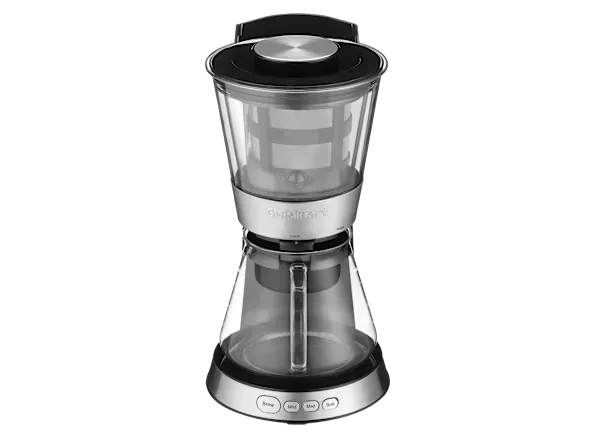
At its heart, a cold brew maker is a system designed to steep coffee grounds in cold or room-temperature water over an extended period, typically 12-24 hours, to produce a rich, smooth concentrate. A commercial cold brew maker, however, takes this concept to an entirely new level. These aren’t your typical kitchen gadgets; they are robust, high-capacity systems built for the rigorous demands of a business environment. Unlike their home counterparts, commercial units prioritize:
- Capacity: Designed to brew large batches, from several gallons to hundreds of liters, catering to high-volume needs.
- Durability: Constructed with food-grade stainless steel and heavy-duty components to withstand continuous use.
- Efficiency: Often incorporating advanced technologies to significantly reduce brewing time while maintaining quality and consistency.
- Hygiene: Featuring automated cleaning cycles and easy-to-sanitize designs to meet strict food safety standards.
These machines are the workhorses of the cold brew world, engineered to deliver consistent quality at scale, making them indispensable for cafes, restaurants, hotels, and even large corporate offices.
The Unstoppable Rise of Cold Brew: Why Your Business Needs to Catch the Wave
The global cold brew coffee market is experiencing meteoric growth, with projections of a robust compound annual growth rate (CAGR) of 22.5% through 2032. This isn’t just a fad; it’s a fundamental shift in consumer preference, largely driven by Millennials and Generation Z. Why the undeniable appeal?
Firstly, cold brew’s signature low acidity makes it a gentler choice for many, reducing the common stomach discomfort associated with traditional hot coffee. It also boasts a naturally sweeter, smoother flavor profile, often eliminating the need for added sugars or cream, appealing to health-conscious consumers.
“Cold brew’s versatility is unmatched,” notes Anya Sharma, a seasoned coffee consultant. “It’s not just a refreshing drink; it’s a canvas for innovation, from rich lattes and creative cocktails to infused teas. Businesses that aren’t offering high-quality cold brew are simply leaving money on the table.”
Moreover, the ready-to-drink (RTD) cold brew market has exploded, offering convenience for on-the-go lifestyles. By offering cold brew, your business taps into this massive demand, enhancing your menu’s appeal and providing a competitive edge in a dynamic industry.
Key Advantages: How a Commercial Cold Brew Maker Transforms Your Operations
Integrating a commercial cold brew maker into your establishment offers a cascade of benefits, streamlining operations and significantly impacting your bottom line.
Efficiency and Speed: Brew on Demand
Traditional cold brewing can take anywhere from 12 to 24 hours. While the hands-on time is minimal, the waiting period can be a significant hurdle for businesses with fluctuating or high demand. Modern commercial cold brew systems, however, have revolutionized this. Machines with patented recirculation technology can produce high-quality cold brew in as little as 45 minutes to an hour. This incredible speed means you can brew on demand, responding quickly to sudden surges in orders without ever running out. This agility is a game-changer, reducing planning time and the risk of waste at the end of the day.
Increased Capacity & Yield: More Brew, Less Waste
Commercial cold brew makers are designed for volume. They allow for the efficient batch production of large quantities of concentrate or ready-to-drink cold brew. More impressively, advanced systems can achieve a significantly higher yield from the same amount of coffee grounds compared to traditional immersion methods. For instance, some commercial machines can nearly double the volume of ready-to-drink cold brew from the same amount of ground coffee, maximizing your ingredient investment. This higher efficiency directly translates to lower unit costs and greater profitability.
Cost Savings & Profitability: A Smart Investment
The initial investment in a commercial cold brew maker can yield quick returns. By reducing brewing time and increasing yield, these machines lower labor costs associated with manual preparation and minimize coffee waste. One study showed that a smaller commercial unit could achieve a return on investment in as little as 58 days by serving just 20 portions a day. The streamlined process allows staff to focus on customer service and other critical tasks, optimizing overall operational efficiency. Cold brew is also often perceived as a premium offering, allowing businesses to command higher prices and improve profit margins.
Consistent Quality: The Secret to Customer Loyalty
In the competitive coffee landscape, consistency is king. Customers expect the same delicious cold brew every time they visit. Commercial cold brew makers, with their automated and programmable settings, virtually eliminate human error from the brewing process. Staff can quickly and easily select a pre-set recipe, ensuring that every batch meets your high standards for taste, texture, and quality. This repeatable excellence builds customer loyalty and enhances your brand’s reputation.
Menu Diversification: Beyond the Basic Brew
A versatile commercial cold brew system isn’t just for coffee. It’s a multifunctional tool that opens up a world of menu possibilities:
- Nitro Cold Brew: Many commercial systems can infuse cold brew with nitrogen directly, creating a velvety consistency and distinctive cascade effect, a highly popular offering.
- Cold Brew Teas & Infusions: Use the same equipment to steep teas, herbs, or fruits for unique, refreshing beverages.
- Coffee Cocktails & Mocktails: Cold brew concentrate serves as an excellent base for sophisticated drinks, expanding your offerings into evening hours.
- Culinary Applications: Integrate cold brew into desserts like tiramisu or coffee-flavored ice cream, adding depth to your culinary creations.
Choosing Your Perfect Partner: Features to Look for in a Commercial Cold Brew Maker
Selecting the right commercial cold brew maker requires careful consideration of several key features:
- Material and Construction: Opt for machines made of high-quality, food-grade 304 stainless steel. This ensures durability, prevents corrosion, and is more sanitary than plastic components.
- Brewing Technology:
- Immersion Systems: Traditional method, often found in larger batch brewers. Coffee grounds are fully submerged for 12-24 hours.
- Recirculation Systems: Modern technology that continuously pushes water through the grounds, significantly speeding up extraction (e.g., 45 minutes for Hardtank devices). This is ideal for efficiency.
- Capacity and Scalability: Consider your current and projected demand. Units range from smaller tabletop models (e.g., 4-5 liters) to massive 15-50 gallon systems, or even those capable of 250 liters per day. Ensure the system can grow with your business.
- Ease of Use: Look for intuitive interfaces, such as touchscreen controls, that make recipe selection and operation straightforward for all staff, regardless of experience level.
- Cleaning and Hygiene: Automated cleaning and sanitation modes are crucial. These features save significant staff time, reduce human error, and ensure compliance with food safety standards by preventing bacteria buildup.
- Dispensing Options: Systems that can filter directly into kegs are highly convenient for serving nitro cold brew on tap. Specialized taps and dispensing systems can also enhance customer experience.
Brewing Perfection at Scale: A Guide to Using Your Commercial Cold Brew Maker
While specific instructions vary by machine, the general principles for using a commercial cold brew maker to achieve perfect coffee are consistent:
- Grind Quality: Use a coarse, even grind. This prevents over-extraction and bitterness, which can happen with finer grinds during the long steeping process.
- Water Quality: Filtered, cold water is paramount. It impacts the final taste significantly, allowing the nuanced flavors of the coffee to shine.
- Coffee-to-Water Ratio: Follow your machine’s recommendations or establish a consistent ratio for your desired concentrate strength. A common starting point is a 1:5 or 1:8 coffee-to-water ratio for concentrate.
- Brewing Cycle: Load your coffee grounds into the filter basket and add cold water. Initiate the brewing cycle, whether it’s a traditional immersion or a rapid recirculation process.
- Filtration: Once brewed, the system will filter the concentrate, separating it from the grounds. Commercial units often feature advanced stainless steel filters for a clean, sediment-free product.
- Dilution and Serving: The resulting cold brew concentrate is potent. Dilute it with water, milk, or other ingredients to create ready-to-drink cold brew, lattes, or specialty beverages.
For optimal flavor, ensure your coffee beans are fresh and roasted appropriately for cold brew, often a medium to dark roast that can stand up to the cold extraction process. Experiment with different beans and ratios to find your signature cold brew.
Beyond Coffee: Expanding Your Offerings with Versatile Cold Brew Systems
A commercial cold brew maker is not a one-trick pony. Its gentle, low-temperature extraction method makes it perfect for a variety of infused beverages, broadening your menu and appealing to diverse palates. Imagine offering:
- Cold Brew Teas: Infuse black, green, or herbal teas for incredibly smooth, less bitter iced teas.
- Fruit and Herb Infusions: Create refreshing, naturally flavored waters or bases for unique mocktails by steeping fruits like berries or citrus, or herbs like mint or basil.
- Cascara Infusions: Utilize dried coffee cherry husks to craft a sweet, tangy, and naturally caffeinated beverage.
- Alcohol-Free Cocktails: Use cold brew coffee or tea concentrates as a sophisticated base for non-alcoholic espresso martinis or spritzers.
This versatility allows businesses to capitalize on additional day parts and consumer needs, such as adding an evening service period or offering a wider range of healthy, flavorful options.
Frequently Asked Questions about Commercial Cold Brew Makers
Q: How quickly can a commercial cold brew maker pay for itself?
A: The payback period can be surprisingly fast, often within a few months, depending on your sales volume and the specific machine. Some businesses report an ROI in as little as 58 days. This is due to increased efficiency, higher yield, and reduced labor costs.
Q: Are commercial cold brew machines difficult to operate?
A: Modern commercial cold brew makers are designed for ease of use. Many feature intuitive touchscreen interfaces and pre-programmed recipes, making them simple for staff to operate with minimal training.
Q: What kind of maintenance do commercial cold brew makers require?
A: Maintenance is generally straightforward. Look for machines with automated cleaning cycles that save time and ensure consistent hygiene. Regular descaling and checking seals are typically part of routine care.
Q: Can I make nitro cold brew with a commercial machine?
A: Yes! Many commercial cold brew makers, especially those designed for business use, can either directly infuse cold brew with nitrogen or integrate seamlessly with nitro tapping systems, allowing you to serve this popular, creamy beverage on demand.
Q: How do commercial cold brew machines ensure hygiene?
A: Commercial systems prioritize food safety. They are typically constructed from food-grade stainless steel and often include automated cleaning-in-place (CIP) systems. These features minimize manual handling, reduce the risk of microbial growth, and ensure thorough sanitization, meeting international food safety standards like HACCP.
The Future is Brewed Cold
The demand for cold brew coffee is not just a passing fancy; it’s a fundamental shift in how people enjoy their daily caffeine. For any forward-thinking business, a commercial cold brew maker is more than just a piece of equipment—it’s a gateway to increased efficiency, expanded menu possibilities, and a significant boost to profitability. By investing in the right system, you’re not just selling coffee; you’re offering an experience, building loyalty, and securing your place at the forefront of the modern coffee revolution. Don’t just serve coffee; master the art of cold brew and watch your business thrive.