There’s a subtle revolution brewing in the world of coffee, and at its heart is the remarkable Cold Brew Maker. If you’ve ever savored the silky, low-acid deliciousness of a cold brew and wondered how to bring that café experience home, you’re in the right place. A dedicated cold brew maker isn’t just another kitchen gadget; it’s your personal portal to consistently rich, smooth, and incredibly satisfying coffee that stands apart from its hot-brewed cousins. It’s about transforming your morning routine into an effortless indulgence, delivering a concentrate that’s ready whenever you are.
What Exactly is a Cold Brew Maker and Why Do You Need One?
A cold brew maker is a specialized device designed to steep coffee grounds in cold or room-temperature water over an extended period—typically 12 to 24 hours. Unlike traditional iced coffee, which is simply hot coffee poured over ice, cold brew never encounters heat during its initial brewing process. This gentle, time-intensive extraction yields a coffee concentrate with a distinctly smoother, less bitter, and naturally sweeter flavor profile, boasting significantly lower acidity than hot coffee.
Why invest in a cold brew maker? While you can make cold brew using a jar and a sieve, a dedicated maker simplifies the entire process. It provides a contained environment for steeping, often includes an integrated filtration system, and is designed for easy storage and dispensing. This means less mess, better extraction, and a more convenient way to enjoy your favorite chilled beverage. As coffee aficionado Dr. Amelia “Mia” Sterling, founder of “The Daily Grind” coffee consultancy, often says, “A good cold brew maker takes the guesswork out of crafting a perfect batch, letting you focus on savoring the moment, not the mechanics.”
Exploring the Popular Types of Cold Brew Makers and How to Choose
The market for cold brew makers has expanded, offering options to suit every brewing style, budget, and kitchen space. Understanding the main types can help you pinpoint the best fit for your coffee journey.
Immersion Cold Brew Makers
These are arguably the most common and user-friendly. They typically consist of a carafe or pitcher with a removable mesh filter basket where coffee grounds are steeped directly in water. Once steeped, you simply remove the filter, and your concentrate is ready. Brands like the Takeya Deluxe and Ovalware Airtight Cold Brew Maker are popular choices in this category, known for their simplicity and often airtight seals for freshness. They are excellent for beginners and those who appreciate a straightforward brewing process.
Drip Tower Cold Brew Makers (Kyoto Style)
For the connoisseur or those who appreciate a touch of theatrical elegance, drip tower cold brew makers are a stunning option. These systems slowly drip cold water over coffee grounds, extracting flavor drop by delicate drop. While they can be more expensive and take up more counter space, they are renowned for producing an exceptionally clean, nuanced, and often sweeter cold brew concentrate. The Nispira Cold Brew Drip Tower is a prime example of this intricate style.
Automatic/Rapid Cold Brew Makers
If patience isn’t your strongest virtue, rapid cold brew makers might be your ideal match. These machines use various methods, like vacuum technology or rapid agitation, to significantly shorten the brewing time from hours to mere minutes. The Cuisinart Automatic Cold Brew Coffee Maker, for instance, can produce a batch in 25-45 minutes. They offer speed and convenience, though some traditionalists argue the flavor profile might differ slightly from a long, slow immersion.
When choosing your cold brew maker, consider:
- Capacity: How much cold brew do you drink? Makers range from compact models perfect for a single person to large batch brewers suitable for families or entertaining.
- Material: Glass carafes are elegant and non-reactive, while plastic models are often more durable and budget-friendly. Stainless steel components offer longevity.
- Filtration System: Look for fine mesh filters to minimize sediment in your final brew. Some even allow for the addition of paper filters for an ultra-clear result.
- Ease of Cleaning: Dishwasher-safe components are a huge plus for busy individuals.
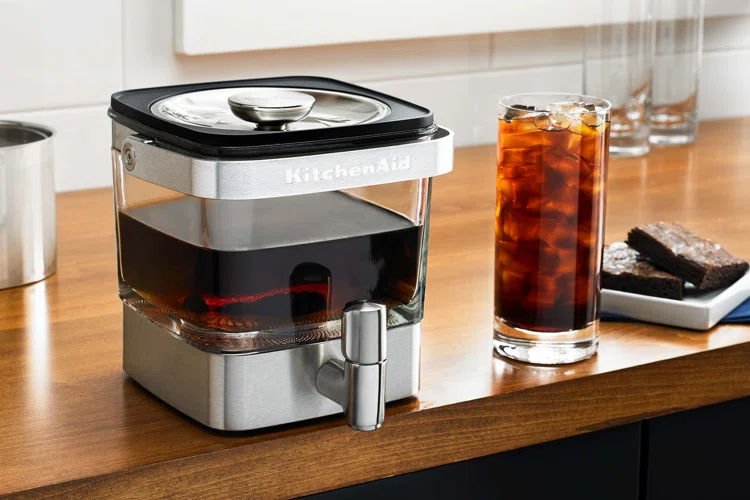
- Storage: Consider if it needs to fit neatly in your refrigerator. Models with spigots, like the KitchenAid Cold Brew Coffee Maker, are particularly convenient for fridge dispensing.
How to Use Your Cold Brew Maker for Perfect Coffee
Mastering your cold brew maker is simpler than you might think. Here’s a step-by-step guide to consistently delicious results:
- Select Your Beans: Start with high-quality whole beans. Freshly roasted beans will yield the best flavor. While any roast can work, medium to dark roasts often shine in cold brew, offering rich chocolatey and nutty notes.
- Grind Coarsely: This is crucial! Use a burr grinder set to a coarse, uniform grind, similar to breadcrumbs or sea salt. A coarse grind prevents over-extraction and minimizes fine sediment in your brew.
- Measure Your Coffee and Water: A common starting ratio is 1:4 to 1:8 coffee to water by weight. For a strong concentrate, aim for around 1 cup of coarse grounds to 4 cups of cold, filtered water (approximately 1:4 ratio). This creates a concentrate you can dilute later.
- Combine and Steep:
- Place your coarse coffee grounds into the filter basket of your cold brew maker.
- Slowly pour cold, filtered water over the grounds, ensuring they are fully saturated. Some makers have a “rainmaker” lid that helps distribute water evenly.
- Stir gently to ensure all grounds are submerged and hydrated.
- Secure the lid on your cold brew maker.
- Let it steep. Most recipes recommend 12-24 hours. Steeping at room temperature can accelerate the process, while steeping in the refrigerator can prolong it and results in a colder initial brew.
- Filter and Enjoy:
- Once steeping is complete, remove the filter basket containing the spent grounds.
- Your cold brew concentrate is now ready! If your maker has a spigot, dispense directly. Otherwise, pour it into a separate airtight container.
- If you notice any fine sediment, you can pour the concentrate through a paper filter or cheesecloth for extra clarity, though most good cold brew makers handle this effectively.
Tips and Tricks to Optimize Cold Brew Flavor
Making good cold brew is easy, but making great cold brew involves a few refined techniques:
- Freshly Ground is Best: Always grind your beans just before brewing. Pre-ground coffee loses its volatile aromatic compounds quickly, leading to a less vibrant flavor.
- Filtered Water Makes a Difference: Tap water can contain impurities that affect taste. Using filtered water ensures a cleaner, purer flavor in your cold brew.
- Experiment with Ratios and Steep Times: The beauty of cold brew is its flexibility. Don’t be afraid to adjust your coffee-to-water ratio or extend/shorten steep times to find your perfect balance of strength and flavor. Some prefer a longer steep for maximum boldness, while others find 12-14 hours sufficient.
- Bloom Your Grounds (Optional): After adding some water, let the grounds sit for a minute or two to “bloom” before adding the rest of the water. This allows for better gas release and can improve extraction.
- Use the Right Grind Size: Too fine, and you risk over-extraction, bitterness, and sediment. Too coarse, and you might get an under-extracted, weak brew. Consistency is key!
The Undeniable Benefits of Cold Brew Versus Traditional Hot Coffee
Beyond just being a refreshing alternative, cold brew offers several advantages that might make it your preferred daily java.
- Lower Acidity: Cold brew is significantly less acidic—up to 67% less—than hot coffee. This makes it much gentler on the stomach, reducing the likelihood of acid reflux, indigestion, or heartburn, which many experience with hot coffee.
- Smoother, Sweeter Flavor: The cold brewing process extracts fewer bitter compounds and oils, resulting in a naturally sweeter, mellower, and less bitter taste. This often means you need less sugar or creamer to enjoy it, making it a healthier choice for your waistline.
- Rich in Antioxidants: Like hot coffee, cold brew is packed with beneficial antioxidants that help combat free radicals and support overall health, potentially reducing the risk of chronic illnesses.
- Boosts Metabolism and Mood: The caffeine in cold brew can help increase your metabolic rate and has been linked to improved mood and cognitive function.
- May Reduce Risk of Certain Diseases: Studies suggest regular coffee consumption, including cold brew, may lower the risk of heart disease, type 2 diabetes, Parkinson’s, and Alzheimer’s disease.
- Convenience and Longevity: Once made, cold brew concentrate can be stored in the refrigerator for up to two weeks without losing its flavor or freshness, making it incredibly convenient for daily enjoyment.
How to Store and Enjoy Your Finished Cold Brew
Proper storage is key to maximizing the life and flavor of your homemade cold brew.
- Airtight Container: Always store your cold brew concentrate in an airtight container or a sealed carafe (many cold brew makers double as storage vessels). This prevents oxidation and keeps your brew fresh.
- Refrigeration: Keep your cold brew concentrate in the refrigerator. It will typically stay fresh and delicious for up to two weeks.
- Dilution is Key: Remember, your cold brew is a concentrate. When serving, dilute it with water, milk, or your favorite creamer. A good starting point is a 1:1 ratio (one part concentrate to one part water/milk), but adjust to your taste preference.
- Serving Suggestions:
- Classic Iced: Serve over ice with a splash of water or milk.
- Hot Cold Brew: Yes, you can heat it! Add hot water to your concentrate for a surprisingly smooth hot coffee experience.
- Flavorful Additions: Experiment with syrups, spices (like cinnamon or cardamom), or even a scoop of ice cream for a decadent treat.
Frequently Asked Questions About Cold Brew Makers
Q: What is the ideal coffee grind for a cold brew maker?
A: The ideal coffee grind for a cold brew maker is coarse, resembling sea salt or breadcrumbs. This prevents over-extraction and minimizes sediment in your finished cold brew.
Q: How long should I steep my cold brew?
A: Most experts recommend steeping cold brew for 12 to 24 hours, depending on your desired strength and the specific coffee beans you’re using. Shorter times yield a milder brew, while longer times create a bolder concentrate.
Q: Can I use regular ground coffee in a cold brew maker?
A: While you can use regular (medium) ground coffee, it’s not recommended. Finer grounds can lead to over-extraction, resulting in a bitter taste and more sediment passing through the filter. Coarse grounds are best for optimal flavor and filtration.
Q: How much caffeine is in cold brew compared to hot coffee?
A: Cold brew concentrate typically has a higher caffeine content per ounce than hot coffee due to its concentrated nature. However, when diluted for serving, the caffeine content per cup can be similar to or even slightly less than hot coffee, depending on the dilution ratio.
Q: Can cold brew coffee be used to make hot coffee?
A: Absolutely! Simply add your cold brew concentrate to a mug and dilute it with hot water instead of cold. It produces an incredibly smooth and low-acid hot cup of coffee.
Q: How long does homemade cold brew last?
A: When stored in an airtight container in the refrigerator, cold brew concentrate can last for up to two weeks without significant degradation in flavor.
Your Journey to Better Brew Starts Here
Embracing a cold brew maker in your kitchen isn’t just about making coffee; it’s about upgrading your entire coffee experience. From its gentle acidity to its remarkably smooth flavor profile, cold brew offers a delightful escape from the ordinary. It simplifies your routine, opens up a world of flavor experimentation, and delivers a consistent, high-quality beverage that’s always ready to refresh. So go ahead, choose the cold brew maker that calls to you, and start brewing your way to endless smooth sips. The perfect cup of cold brew is waiting.