Imagine sipping on a perfectly smooth, refreshingly sweet iced coffee, right from the comfort of your home, any time you desire. Sounds like a dream, doesn’t it? Well, with a Cold Brew Iced Coffee Maker, that dream is your daily reality. This incredible piece of equipment is revolutionizing how we enjoy chilled coffee, making café-quality cold brew accessible and effortless. If you’re tired of watered-down iced coffee or expensive daily trips to the coffee shop, then a dedicated cold brew iced coffee maker is about to become your new best friend. It’s more than just a brewing device; it’s a gateway to a world of rich, less acidic, and utterly delicious coffee experiences, brewed exactly to your liking.
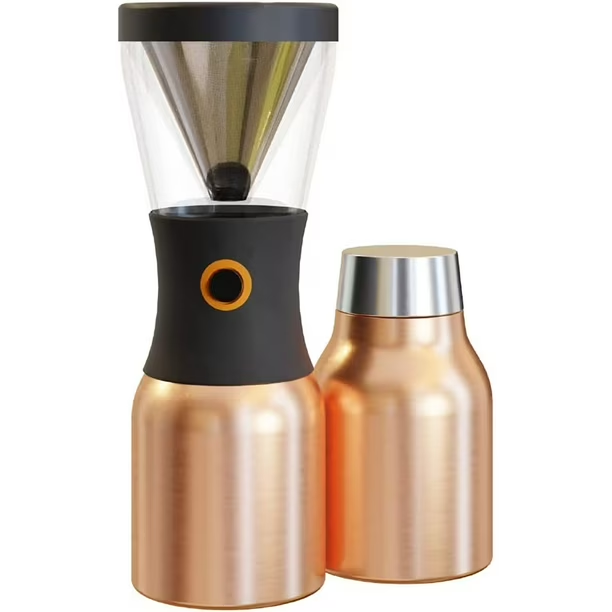
What Exactly is a Cold Brew Iced Coffee Maker and Why Do You Need One?
At its heart, a cold brew iced coffee maker is designed to facilitate the process of steeping coffee grounds in cold or room-temperature water over an extended period, typically between 8 and 24 hours. Unlike traditional hot brewing methods that extract flavors quickly with heat, cold brewing is a gentle, slow infusion. This method draws out the coffee’s desirable compounds, leaving behind many of the bitter acids and oils often associated with hot coffee. The result? A remarkably smooth, naturally sweet, and incredibly rich coffee concentrate that forms the perfect base for your iced beverages.
Why do you absolutely need one in your kitchen? For starters, convenience is a major factor. A cold brew iced coffee maker simplifies the otherwise messy and often tedious DIY cold brew process of using multiple containers and filters. These specialized makers often combine the steeping vessel, filter, and serving carafe into one streamlined unit, making batch brewing a breeze. You can prepare a large batch of concentrate once or twice a week, store it in your fridge, and have instant access to your favorite chilled coffee whenever the craving strikes. This translates into significant cost savings, as you’ll be making fewer trips to buy overpriced cold brew from your local café.
Furthermore, the taste profile of cold brew is simply superior for many. Hot-brewed coffee, when chilled and poured over ice, often develops a more acidic and sometimes bitter flavor as it cools and dilutes. Cold brew, however, is inherently lower in acidity and bitterness, allowing the nuanced flavors of your coffee beans to truly shine. It’s a fundamental difference in extraction that yields two distinct drinking experiences. So, while both lead to a cold beverage, a true cold brew from a dedicated maker offers a distinct, mellow, and satisfying profile that traditional iced coffee simply can’t match.
Types of Cold Brew Iced Coffee Makers: Finding Your Perfect Match
Just like there are many ways to enjoy coffee, there are several types of cold brew iced coffee makers, each with its own charm and benefits. Understanding these variations will help you pinpoint the best fit for your brewing habits and lifestyle.
Manual Immersion Brewers
These are perhaps the most common and straightforward cold brew makers. They typically consist of a pitcher or carafe, often made of glass or durable plastic, with a removable fine mesh filter basket that holds your coffee grounds. You simply add your coarse grounds to the filter, fill the carafe with water, let it steep, and then remove the filter. Popular examples include models from KitchenAid, Ovalware, Hario, Mueller, and Takeya. Their simplicity is their biggest strength: they’re generally easy to use, affordable, and excellent for producing traditional, long-steeped cold brew. The main “con” is the time commitment, as you’ll need to wait 12-24 hours for your concentrate.
Automatic and Electric Cold Brew Makers
For those who live life in the fast lane, electric cold brew makers are a game-changer. Brands like Vinci Express and Cuisinart offer automatic models that use pumps or internal circulation systems to significantly accelerate the extraction process. What traditionally takes half a day can be done in as little as 5 to 25 minutes, depending on the desired strength. This rapid brewing is achieved by constantly circulating water through the coffee grounds, speeding up the flavor extraction. While these machines come with a higher price tag and might have a few more components to clean, they offer unparalleled speed without sacrificing the smooth, low-acid qualities of cold brew.
Drip Cold Brew Systems
While less common in the typical “iced coffee maker” category, some cold brew systems operate by slowly dripping water over coffee grounds. These often resemble scientific laboratory equipment and are prized for their ability to produce a very clean, nuanced cup. The process is mesmerizing to watch, but they typically require more attention and space than immersion brewers.
Key Factors to Consider When Choosing Your Cold Brew Iced Coffee Maker:
When you’re ready to pick out your own cold brew iced coffee maker, keep these essential criteria in mind to ensure you make the right choice:
- Capacity: How much cold brew do you drink? If you’re a solo sipper, a compact 16-ounce maker like the OXO Compact might be perfect. For households of multiple coffee lovers or those who like to entertain, a larger 38-ounce capacity model, like certain KitchenAid versions, will save you from constant re-brewing.
- Material: Glass carafes offer a sleek aesthetic and are non-reactive, ensuring a pure coffee taste. However, they are more fragile. Durable, BPA-free plastic models are lighter and less prone to breaking, often at a lower cost. For filters, reusable stainless steel mesh is highly recommended as it prevents sediment and is eco-friendly.
- Filter Quality: This is critical! A high-quality, fine mesh filter ensures a silt-free, clean cup. Some filters are notoriously slow, turning the brewing process into a test of patience, while others allow for quick and efficient straining.
- Ease of Cleaning: Look for models with wide openings, removable filters, and minimal crevices that can trap grounds. Dishwasher-safe components are a huge bonus for hassle-free maintenance.
- Ergonomics and Design: Features like sturdy handles (especially for larger, heavier models), secure lids that prevent spills, and drip-free spouts (the KitchenAid’s spigot is a fan favorite for mess-free dispensing) can significantly enhance your brewing and serving experience. “A well-designed cold brew maker truly makes a difference in your daily routine, especially when you’re half-asleep and just want your coffee without any fuss,” shares coffee accessory designer, Lena Hanson.
Brewing Your Best Batch: A Step-by-Step Guide with Your Cold Brew Iced Coffee Maker
Making cold brew at home might sound daunting, but with the right cold brew iced coffee maker, it’s remarkably simple. Follow these steps to unlock the full potential of your beans and enjoy a truly perfect cup.
- Choose Your Beans Wisely: Start with high-quality, freshly roasted coffee beans. The type of bean is a matter of personal preference, but many cold brew aficionados find that medium to dark roasts shine particularly well, bringing out chocolatey and nutty notes.
- Grind Coarsely: This is crucial! A coarse, even grind is essential to prevent over-extraction, which can lead to bitterness, and to minimize sediment in your final brew. Think of a consistency similar to coarse sea salt. Using a burr grinder will provide the most consistent results.
- The Perfect Ratio: A common starting point for cold brew concentrate is a coffee-to-water ratio of 1:5 to 1:8 by weight. For example, if you use 100 grams of coffee, you’d add 500 to 800 grams of water. This allows for dilution later, giving you control over the final strength of your drink. Feel free to adjust this ratio to find your personal sweet spot.
- Add Water: Place your coarse grounds into the filter basket of your cold brew iced coffee maker. Slowly pour filtered, cold, or room-temperature water over the grounds, ensuring they are fully saturated. Some makers come with a “rainmaker” lid that helps disperse water evenly.
- Steep It Up: Once the water is added, seal your maker. For manual immersion brewers, let it steep for 12 to 24 hours. You can do this at room temperature or in the refrigerator. Steeping longer (up to 24 hours) typically yields a stronger concentrate. If you have an electric cold brew maker, simply follow the manufacturer’s instructions for brewing time, which could be as short as 5 minutes.
- Filter and Enjoy: After the steeping time is complete, remove the filter basket containing the spent grounds. You now have a concentrated cold brew! It’s potent, so dilute it to your liking. A common starting point is a 1:1 ratio with water, milk, or your favorite creamer, and, of course, plenty of ice.
Tips and Tricks for Optimizing Your Cold Brew Flavor
Making cold brew is an art and a science. Here are some pro tips to ensure every batch from your cold brew iced coffee maker is nothing short of perfection:
- Water Quality is Paramount: Since cold brew is about 98% water, the quality of your water makes a noticeable difference. Always use filtered water for the cleanest, purest taste.
- Don’t Fear the Roast: While any bean can be cold brewed, medium to dark roasts often reveal their best qualities through this gentle extraction, offering notes of chocolate, caramel, and nuts.
- Resist Over-Extraction: While longer steeping can yield stronger concentrate, exceeding 24 hours can sometimes lead to an undesirable bitter or earthy taste. Stick to the recommended times to avoid over-extraction.
- Dilution is Your Friend: Remember, you’re likely making a concentrate. Don’t be shy about diluting it with water, milk, or a milk alternative. This not only makes it more palatable but also stretches your batch further. Experiment to find your preferred strength.
- Get Creative with Flavors: Feeling adventurous? Add a cinnamon stick, a few cardamom pods, a splash of vanilla extract, or even a strip of orange zest to your cold brew during the steeping process for an infused treat.
- Proper Storage: Once brewed, transfer your cold brew concentrate to an airtight container. This is crucial for preserving its fresh flavor and preventing oxidation.
- Optimal Temperature: While cold brew is often steeped at room temperature, storing it in the fridge immediately after brewing will help maintain its freshness for longer.
The Cold Brew Advantage: Why It Beats Traditional Iced Coffee
When it comes to cold coffee, there’s a clear winner for many: cold brew. The distinct characteristics imparted by the cold brewing process make it stand out significantly from traditional iced coffee, which is essentially hot coffee poured over ice.
- Smoother & Less Acidic: This is the hallmark of cold brew. Because heat is not used in the extraction process, fewer acidic compounds are pulled from the coffee grounds. This results in a coffee that is remarkably smooth, mellow, and lacks the sharp, sometimes sour notes found in hot-brewed coffee.
- Naturally Sweet: Without the bitterness and acidity, the inherent sweetness of the coffee beans comes to the forefront. Many people find they need to add less sugar or sweetener to cold brew, letting the natural flavors shine.
- Easier on the Stomach: For individuals who experience acid reflux or have sensitive stomachs, the lower acidity of cold brew can be a game-changer, making it a much more pleasant way to enjoy their daily caffeine.
- Higher Caffeine (Often): Due to the extended steeping time, cold brew concentrate typically has a higher caffeine content than an equivalent volume of hot coffee. This means you might need less to get your desired boost, or you can dilute it more for a milder effect.
- Versatility Beyond the Cup: Cold brew concentrate is incredibly versatile. Beyond simply diluting it for a refreshing drink, it can be used in smoothies, for baking (think coffee-flavored cakes or brownies), in cocktails, or even in savory recipes that call for a coffee element. Its smooth flavor integrates beautifully without imparting bitterness.
Keeping Your Cold Brew Fresh: Storage and Enjoyment
You’ve invested in a fantastic cold brew iced coffee maker and perfected your brewing technique. Now, how do you keep that liquid gold tasting its best? Proper storage is key to maximizing the lifespan and flavor of your homemade cold brew.
Once your cold brew concentrate is filtered, transfer it to a clean, airtight container. Mason jars, glass pitchers with sealed lids, or even specialized cold brew makers designed for storage work wonderfully. Storing it in an airtight environment in the refrigerator is essential to prevent oxidation, which can cause the coffee to lose its vibrant flavor and eventually turn stale.
“A dedicated cold brew iced coffee maker isn’t just a gadget; it’s an investment in your daily ritual,” says Clara Reynolds, a veteran coffee roaster and cold brew enthusiast. “The consistency, the cleaner taste, and the sheer convenience of having a batch ready to go are game-changers for anyone who truly loves their cold coffee.”
Generally, cold brew concentrate can remain fresh in the refrigerator for up to two weeks. While it might still be safe to drink after this period, you’ll likely notice a decline in its peak flavor profile. For optimal taste, aim to consume it within 7-10 days.
When it’s time to enjoy, the possibilities are endless!
- Classic Iced: Pour over a generous amount of ice, diluted with water or your favorite milk/creamer.
- Creamy Delight: Mix with oat milk, almond milk, or half-and-half for a luxurious texture.
- Sweetened Treat: Add a touch of simple syrup, maple syrup, or honey for sweetness.
- Coffee Cocktails: Use as a base for refreshing coffee-infused alcoholic beverages.
- Hot Cold Brew: Yes, you can gently warm cold brew! It retains its low-acid profile even when heated, offering a unique take on a hot cup.
Expert Insight:
“A dedicated cold brew iced coffee maker isn’t just a gadget; it’s an investment in your daily ritual,” says Clara Reynolds, a veteran coffee roaster and cold brew enthusiast. “The consistency, the cleaner taste, and the sheer convenience of having a batch ready to go are game-changers for anyone who truly loves their cold coffee.”
Frequently Asked Questions
Q1: Can I use any coffee beans in my cold brew iced coffee maker?
A1: Yes, you can use any coffee beans, but a medium to dark roast with a coarse grind is generally recommended for the best flavor and to prevent excessive sediment.
Q2: How long does it take to make cold brew with an electric cold brew maker?
A2: Electric cold brew makers significantly reduce brewing time, often making a batch in 5 to 25 minutes, depending on the desired strength and the specific model.
Q3: What’s the ideal coffee-to-water ratio for cold brew?
A3: A common starting point is a 1:5 to 1:8 coffee-to-water ratio by weight, allowing for dilution later. Adjust this to your personal taste to find your perfect strength.
Q4: How long can I store cold brew concentrate?
A4: Properly stored in an airtight container in the refrigerator, cold brew concentrate can remain fresh and flavorful for up to two weeks, though optimal taste is often within 7-10 days.
Q5: Is cold brew healthier than regular coffee?
A5: Cold brew is often less acidic than hot coffee, which can be beneficial for those with acid reflux or sensitive stomachs. While it may contain more caffeine in its concentrated form, its overall health benefits are largely similar to regular coffee.
Conclusion
Embracing a cold brew iced coffee maker in your kitchen is about more than just making a cold beverage; it’s about elevating your entire coffee experience. From the smooth, low-acid flavor that delights your palate to the sheer convenience of having café-quality cold brew on demand, the benefits are undeniable. Whether you opt for a simple immersion brewer or a lightning-fast electric model, the journey to your perfect cup of cold brew is an exciting one. So, take the plunge, experiment with different beans and ratios, and discover the refreshing world that a dedicated cold brew iced coffee maker can open up for you. Get ready to transform your daily coffee ritual into an effortless indulgence, one delicious sip at a time.