The world of coffee is constantly evolving, and among the many trends, cold brew has truly cemented its place as a beloved beverage. Its smooth, low-acid profile offers a refreshing alternative to traditional hot coffee, captivating palates worldwide. If you’re looking to elevate your daily caffeine ritual and experience this exceptional drink at home, understanding the synergy between your coffee and a cold brew maker is key. This guide will walk you through everything you need to know about Coffee And Cold Brew Makers, ensuring you can craft the perfect cup right from your kitchen.
What Exactly is a Cold Brew Maker and Why Do You Need One?
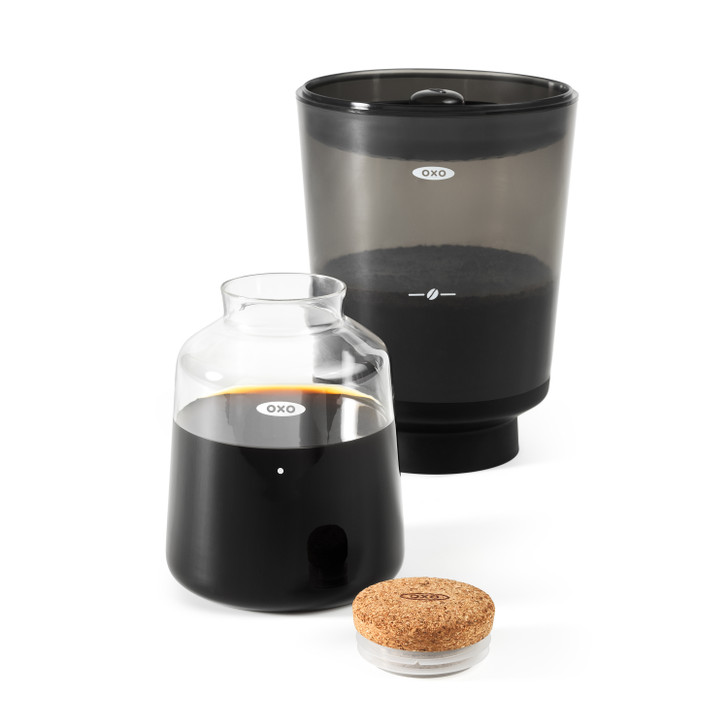
A cold brew maker is an ingenious device designed to simplify the process of making cold brew coffee. Unlike hot brewing methods that use heat to extract flavors, cold brewing relies on time and cold water to slowly steep coarsely ground coffee. This extended, gentle extraction process (typically 12 to 24 hours) yields a coffee concentrate that is remarkably less acidic and significantly smoother than its hot-brewed counterparts.
Why should a cold brew maker be on your radar? For starters, it takes the guesswork out of crafting this popular drink. These specialized devices ensure consistent results, making it easy to replicate your favorite coffee shop experience. “The magic of cold brew lies in its simplicity and patience,” notes Amelia Sterling, a seasoned barista and coffee consultant. “A good cold brew maker isn’t just a gadget; it’s your silent partner in crafting exceptional coffee.” It’s an essential tool for anyone wanting to delve into the rich, mellow world of cold brew without the fuss.
Choosing Your Ideal Companion: Types of Cold Brew Makers and How to Select One
With the rising popularity of cold brew, the market offers a diverse range of cold brew makers, each with its unique advantages. Selecting the right one for your home comes down to understanding your needs and preferences. Let’s break down the crucial features to consider:
Size and Capacity: Brewing for One or Many
Are you a solo coffee enthusiast who enjoys a single serving, or do you need enough concentrate to last a week for the whole family? Cold brew makers come in various capacities, typically ranging from a single-serve (around 16-24 oz) to larger family-sized options (up to 2 quarts or more). Consider how much coffee you consume and the available space in your refrigerator. A compact model might be perfect for tight spaces, while a larger one saves time by allowing you to brew bigger batches.
Material Matters: Glass, Plastic, and Stainless Steel
The construction material of your cold brew maker significantly impacts both durability and flavor purity.
- Glass cold brew makers, especially those made from borosilicate glass, are prized for their non-reactive nature. They don’t absorb odors or flavors, ensuring that each brew tastes fresh and untainted. They also look sleek and are generally more environmentally friendly.
- Plastic options are often more durable and lightweight, making them great for travel or households prone to accidental drops. However, some plastics can impart a subtle taste or retain odors over time. Look for BPA-free plastics for health assurance.
- Stainless steel components are common in filters and sometimes in carafes, offering excellent durability and a premium feel.
Filter Finesse: The Key to a Clean Brew
The filter is arguably the most critical component of any cold brew maker. It’s responsible for separating the coffee grounds from your precious concentrate.
- Precision-cut mesh filters are a popular choice, effectively keeping grounds out while allowing maximum flavor extraction. They are typically reusable, reducing waste.
- Paper filters can be used with some systems, offering an ultra-clear brew, but they might absorb some of the coffee’s essential oils, potentially leading to a slightly less robust flavor.
Choose a maker with a sturdy, reusable filter that’s fine enough to prevent sediment from sneaking into your coffee.
Seal the Deal: Preserving Freshness
An airtight seal is paramount for any cold brew maker. A tight seal locks in the coffee’s flavor and freshness during the long steeping process and extends the shelf life of your concentrate. Look for models with silicone or rubber seals that fit snugly to prevent air exposure, which can lead to oxidation and degrade the quality of your coffee.
Ease of Use and Cleaning: Simplify Your Routine
No one wants a complicated brewing process or a difficult cleanup. The best cold brew makers are designed for simplicity. Features like removable parts, wide openings for easy scooping of coffee grounds, and dishwasher-safe components can make your brewing experience much more enjoyable. A design that’s easy to disassemble and reassemble will encourage regular use and proper hygiene.
Design and Aesthetics: A Kitchen Statement Piece
While functionality is key, the look of your cold brew maker can also enhance your overall kitchen experience. From minimalist pitchers to more elaborate, vintage-inspired designs, there’s a style to match every decor. A beautifully designed cold brew maker can be a functional piece of art on your counter or in your fridge.
Mastering the Art: How to Use Your Cold Brew Maker for Perfect Coffee Every Time
Crafting the perfect cold brew with your coffee and cold brew maker is a straightforward process, but a few key steps ensure exceptional results.
- Grind Coarsely: This is perhaps the most crucial step. Use a burr grinder to achieve a coarse, even grind, similar to coarse cornmeal. A finer grind can lead to over-extraction and bitterness, and also make filtering more difficult. If buying pre-ground coffee, ask for a coarse grind specifically for cold brew.
- Measure with Precision (Coffee-to-Water Ratio): While specific ratios vary, a common starting point is a 1:8 coffee-to-water ratio (e.g., 100 grams of coffee to 800 ml of water). Using a kitchen scale for accuracy is highly recommended. Adjust this ratio to your personal taste – more coffee for a stronger concentrate, less for a milder one.
- Add Fresh, Filtered Water: Quality water equals quality coffee. Always use cold, filtered water to ensure the purest flavor. Slowly pour the water over the grounds, making sure they are fully saturated. Some makers have a “rainmaker” lid that helps distribute water evenly.
- Steep with Patience (Time & Temperature): Secure the lid on your cold brew maker and place it in the refrigerator. The ideal steeping time is between 12 and 24 hours. Longer steeping yields a stronger, more concentrated brew. Avoid going much beyond 24 hours, as it can start to extract undesirable bitter notes.
- Filter and Concentrate: Once steeping is complete, carefully remove the filter basket containing the spent coffee grounds. What you’re left with is a rich cold brew concentrate.
- Dilute and Enjoy: Cold brew concentrate is potent! It’s meant to be diluted before drinking. Common dilution ratios range from 2:1 to 1:1 (concentrate to water or milk). Serve over ice, add your favorite milk or creamer, or enjoy it black.
Beyond the Basics: Tips and Tricks to Optimize Your Cold Brew Flavor
While the basic steps will get you a great cup, a few expert tips can help you truly optimize the flavor of your coffee and cold brew maker creation.
- Experiment with Coffee Beans: Different beans will yield distinct flavor profiles. Explore various single-origin beans or cold brew specific blends. Darker roasts often produce a chocolatey, robust cold brew, while lighter roasts can offer bright, fruity notes.
- Adjust Grind Size and Steeping Time: Don’t be afraid to tweak these variables. If your brew tastes too weak, try a slightly finer grind or a longer steeping time. If it’s too strong or bitter, a coarser grind or shorter steeping time might be the answer. It’s a journey of delicious discovery!
- Dilution Secrets: The way you dilute can transform your cold brew. Try sparkling water for a refreshing fizz, or a splash of oat milk for a creamy texture. You can also experiment with flavored syrups, but often, cold brew is sweet enough on its own.
- Sanitation for Superior Taste: Always clean your cold brew maker thoroughly after each use. Coffee oils can build up and affect the taste of subsequent brews. Proper cleaning also prevents bacterial growth, ensuring a fresh and safe beverage every time. “Cleanliness is next to godliness when it comes to cold brew,” quips Amelia Sterling.
The Cold Brew Advantage: Why It Beats Traditional Hot Coffee
The benefits of cold brew extend far beyond its refreshing chill. When you use your coffee and cold brew maker, you’re not just making iced coffee; you’re creating a fundamentally different beverage with distinct advantages.
Gentler on Your Stomach: Reduced Acidity
One of the most celebrated benefits of cold brew is its significantly lower acidity. Cold water extraction pulls out fewer acidic compounds compared to hot water, resulting in a brew that can be up to 60-65% less acidic. This makes cold brew much gentler on the stomach, ideal for individuals prone to acid reflux, heartburn, or general indigestion.
Unparalleled Smoothness: Less Bitterness
The slow, cold steeping process bypasses the extraction of bitter compounds that are often released when coffee grounds interact with hot water. The result is a naturally smoother, mellower cup with little to no bitterness. It’s coffee in its purest, most pleasant form.
Rich, Complex Flavors: Stable Aromatic Compounds
“Cold water extraction prevents the rapid degradation of delicate aromatic compounds, yielding a richer, more nuanced flavor profile that hot brewing often sacrifices,” explains Dr. Ethan Vance, a food chemist specializing in beverage science. The coffee’s natural oils and aromatic compounds remain stable and are gently extracted, preserving a complex array of flavors that might be lost in hot brewing. You’ll often detect notes of chocolate, nuts, and caramel, or even bright, fruity undertones, depending on the bean.
Sustained Energy, No Jitters
While the exact caffeine content can vary depending on concentration and dilution, many find that cold brew provides a smoother, more sustained energy boost compared to the rapid jolt and subsequent crash associated with hot coffee. The caffeine is released more gradually, offering a steady pick-me-up without the common jitters or anxiety.
Naturally Sweet and Healthier: Less Need for Additives
Due to its inherently smooth and less bitter profile, cold brew often requires fewer, if any, additions like sugar, milk, or cream. This can make it a healthier choice, reducing your intake of calories and unhealthy additives, allowing the true flavor of the coffee to shine.
Storing and Savoring Your Cold Brew Creation
One of the great conveniences of using a coffee and cold brew maker is the ability to prepare a batch of concentrate that lasts. Once your cold brew is steeped and filtered, transfer the concentrate to an airtight container and store it in the refrigerator. Properly stored, it can remain fresh for up to two weeks, meaning you always have delicious coffee on hand.
When it’s time to enjoy, the possibilities are endless. Serve your diluted cold brew over ice, blend it with your favorite milk for a creamy treat, or even use it as a base for coffee cocktails or desserts. “Cold brew concentrate is a secret weapon in the kitchen, not just for drinking,” remarks Chef Marcus Thorne, known for his culinary innovations. “Its smooth intensity can elevate desserts, marinades, and even cocktails.”
FAQs About Cold Brew Makers and Coffee
Curious minds often have questions about cold brew. Here are some of the most common ones:
What kind of coffee is best for cold brew?
Any high-quality coffee bean can be used for cold brew, but generally, medium to dark roasts are popular for their rich, chocolatey notes. Experiment with single-origin beans to discover unique flavor profiles.
Can I use regular ground coffee for cold brew?
While you can, it’s not ideal. Regular pre-ground coffee is usually too fine for cold brew. A coarse grind is essential to prevent over-extraction (bitterness) and ensure proper filtration.
How long does cold brew concentrate last?
When stored in an airtight container in the refrigerator, cold brew concentrate can last for up to two weeks, maintaining its optimal flavor.
What’s the ideal coffee-to-water ratio for a strong cold brew?
A common starting ratio is 1:8 (coffee to water) by weight. For a stronger concentrate, you can go as low as 1:4.5, then dilute more significantly before serving.
Is cold brew really healthier?
Cold brew’s significantly lower acidity makes it gentler on the stomach for many people. It also often requires less sugar and cream due to its naturally sweeter, smoother taste, contributing to a healthier beverage choice.
Conclusion
Embracing the world of cold brew coffee at home is a rewarding journey, and a reliable coffee and cold brew maker is your perfect companion. From understanding what makes this brewing method so special to selecting the ideal machine and mastering the art of preparation, you now have the knowledge to consistently craft delicious, smooth, and less acidic coffee. So go ahead, experiment with different beans, ratios, and flavors, and let your cold brew maker transform your coffee experience. Cheers to endless cups of perfectly brewed cold coffee!