The coffee landscape is constantly evolving, and at the forefront of this revolution is cold brew. Its smooth, low-acid profile and rich, natural sweetness have captivated a new generation of coffee lovers and seasoned connoisseurs alike. For businesses aiming to meet this soaring demand and elevate their beverage offerings, investing in a robust commercial cold brew maker isn’t just an option—it’s a strategic imperative. This guide will walk you through everything you need to know to harness the power of commercial cold brew and solidify your brand as a leader in the cold coffee space.
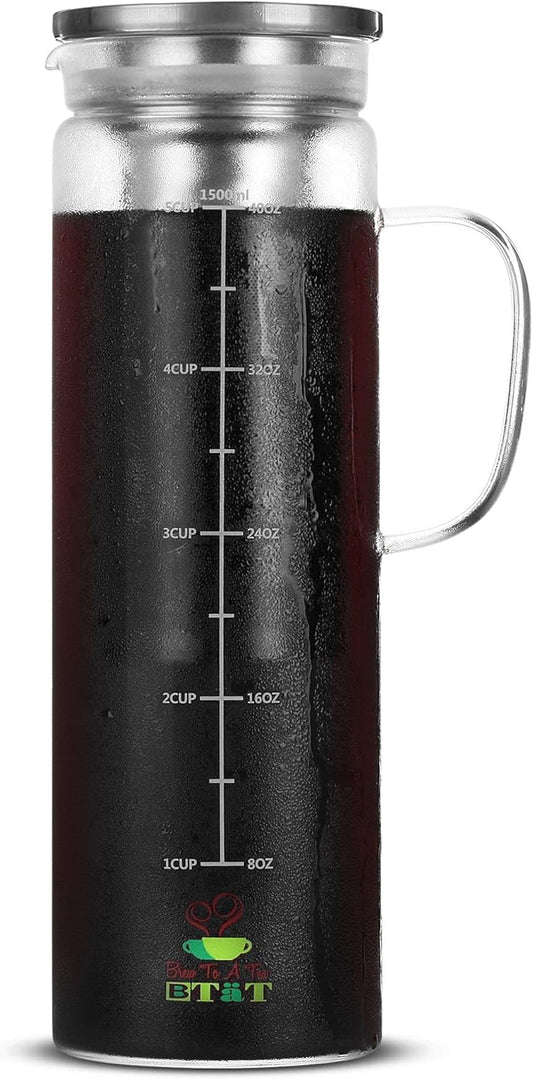
|
Our Picks for the Best Cold Brew Maker in 2026
As an Amazon Associate I earn from qualifying purchases.
|
||
| Num | Product | Action |
|---|---|---|
| 1 | BLACK+DECKER One Touch Coffee Grinder, 2/3 Cup Coffee Bean Capacity, Spice Grinder, One Touch Push-Button Control -150 Watts -Stainless Steel Blades |

|
| 2 | Amazon Basics Electric Coffee Grinder, Coffee Bean and Spice Grinder, With Heavy-Duty Stainless Steel Grind Blades |
|
| 3 | Coffee Grinder Electric - Quiet Stainless Steel Blade Coffee Bean Grinder And Spice Grinder - Great For Coffee Beans And Spices - Small Coffee Grinder Perfect For At Home Coffee Enthusiasts |
|
| 4 | Hamilton Beach Custom Grind Electric Coffee Grinder for 4-14 Cups, One-Press Hand-Free Operation with Auto Shutoff, Removable Grinding Bowl For Easy Pour and Clean, Stainless Steel (80406) |
|
| 5 | OXO Brew Conical Burr Coffee Grinder - Silver, Stainless Steel Burrs, One-Touch Automatic Smart Grind |
|
| 6 | Cuisinart Coffee Grinder, Electric One-Touch Automatic Burr Coffee Grinder with 18-Position Grind Selector, Cup Size Selector for 4 – 18 Cups, DBM-8P1, Black Stainless |
|
| 7 | KRUPS Precision Electric Coffee Grinders, 3 oz Capacity, 200W Motor, Stainless Steel Blades for Uniform Grinding of Beans, Herb and Nuts, Coffee and Spice Grinder Electric, (Black) |
|
| 8 | Proctor Silex Electric Coffee Grinder for Beans, Spices and More, Stainless Steel Blades, 12 Cups, White |
|
| 9 | Hamilton Beach Fresh Grind Electric Coffee Grinder for Beans, Spices and More, Stainless Steel Blades, Removable Chamber, Makes up to 12 Cups, Black |
|
| 10 | Wancle Electric Coffee Grinder, Spice Grinder, One Touch Coffee Mill for Beans, Spices and More, with Clean Brush Black |
|
What is a Commercial Cold Brew Maker and Why Your Business Needs One
At its core, a commercial cold brew maker is an industrial-grade system designed for high-volume production of cold brew coffee. Unlike traditional home brewing methods that often involve simple immersion in a jar or bucket, commercial units are engineered for consistency, efficiency, and scale. They move beyond the unpredictable, labor-intensive process of steeping coffee grounds in room-temperature water for up to 24 hours, transforming it into a streamlined operation capable of meeting the demands of bustling cafes, restaurants, roasteries, and large-scale distributors.
The business case for a dedicated commercial cold brew maker is clear: it’s about more than just making coffee; it’s about optimizing your operations, enhancing product quality, and boosting your bottom line. With the right equipment, you can ensure every batch of cold brew is consistently delicious, produced quickly enough to manage peak demand, and done so with maximum efficiency and minimal waste.
Types of Commercial Cold Brew Makers and How to Choose the Right One
Navigating the array of commercial cold brew makers can feel daunting, but understanding the main types and their key features will help you pinpoint the perfect system for your business.
Traditional Immersion Systems
These are the original workhorses of commercial cold brew, exemplified by models like the Toddy Commercial Model. Immersion systems involve steeping coarsely ground coffee in a large vessel of cold water for an extended period, typically 8 to 24 hours. They are known for their simplicity and ability to produce full-bodied concentrates. While effective, the longer brew times can be a challenge for businesses facing sudden surges in demand. They are ideal for operations with predictable, less urgent cold brew needs and ample space for the prolonged steeping process.
Cold Drip or Percolation Systems
Systems like the Marco ColdBRU utilize a more controlled approach, slowly dripping cold water over coffee grounds. This method allows for precise extraction control and can significantly reduce brew times compared to traditional immersion, with some systems producing ready-to-drink cold brew in as little as 45 minutes or concentrate in a few hours. This balance of control and moderate speed makes them a strong choice for businesses seeking improved efficiency without moving to highly automated solutions.
Automated/Recirculation Systems
For businesses prioritizing speed, efficiency, and consistent quality, automated or recirculation systems, such as those from Hardtank and Hive Brew, are game-changers. These innovative machines actively circulate water through the coffee grounds, drastically reducing brewing times—often to under an hour—while achieving superior extraction efficiency. They typically feature automatic water supply, pre-infusion, and often modular designs that allow for continuous brewing and easy scalability. These systems are perfect for high-volume operations where rapid production and unwavering consistency are paramount.
Key Selection Factors for Your Business
When choosing a commercial cold brew maker, consider these vital factors:
- Brewing Capacity: How many gallons or liters of cold brew do you need to produce per day or per shift? Options range from compact countertop models producing a few liters to large industrial systems capable of hundreds of gallons.
- Brewing Speed: Can the machine keep up with demand during peak hours or unexpected rushes? Fast brewing times (under an hour) offer significant operational advantages.
- Consistency and Quality Control: Look for systems with programmable controls, precise temperature management, and reliable extraction methods to ensure a consistent flavor profile across every batch.
- Ease of Use and Maintenance: Intuitive user interfaces, such as touchscreens, simplify operation. Automated cleaning cycles are crucial for maintaining hygiene and reducing labor.
- Durability and Materials: Food-grade 304 stainless steel is the industry standard, offering longevity, sanitation, and ease of cleaning.
- Versatility: Can the system be used to brew other beverages like iced teas or cascara? This expands your menu offerings without requiring additional equipment.
- Integration with Workflow: Consider how the machine fits into your existing setup. Features like built-in dispenser taps, direct keg integration, or nitro infusion capabilities can streamline service.
Brewing Perfection: How Commercial Makers Optimize Flavor and Process
Modern commercial cold brew makers are engineered to take the guesswork out of brewing, delivering exceptional quality and efficiency that traditional methods simply can’t match.
Precision Control for Unmatched Flavor
One of the greatest advantages of advanced commercial systems is their ability to control every variable. Elements like water temperature, extraction time, and the exact volume of water can be precisely programmed. This meticulous control ensures that delicate aromatic compounds are preserved while bitterness and undesirable flavors are minimized, resulting in a naturally sweet and exceptionally smooth cold brew. “Achieving consistent flavor is paramount in the commercial coffee world,” notes Cassandra Hayes, a leading coffee consultant. “Automated systems remove human error, guaranteeing that your customers receive the same perfect cold brew every single time, building loyalty and reputation.”
Enhanced Extraction and Yield
Efficiency isn’t just about speed; it’s also about getting the most out of your coffee grounds. Commercial cold brew makers, particularly those utilizing recirculation technology, achieve significantly higher extraction yields (often 18-22% TDS – Total Dissolved Solids) compared to traditional methods (which might only reach 13-14%). This means you produce more cold brew concentrate from the same amount of coffee, directly translating to increased profitability and reduced ingredient waste. Randy Anderson, a cold coffee specialist, emphasizes, “If you’re not hitting 18-22% extraction, you’re leaving money on the table. Modern commercial brewers are designed to maximize every bean.”
Faster Turnaround for Agile Operations
The ability to brew a fresh batch of cold brew in under an hour fundamentally changes a business’s operational agility. Imagine a sudden heatwave or an unexpected rush—with a rapid cold brew maker, you can quickly replenish your supply, avoiding lost sales and keeping customers happy. This quick turnaround also simplifies inventory management, allowing you to brew smaller, more frequent batches as needed, reducing storage requirements and ensuring freshness.
Uncompromising Hygiene Standards
In any food service environment, hygiene is non-negotiable. Commercial cold brew makers are designed with this in mind, often featuring food-grade stainless steel construction that is easy to clean and resists bacterial growth. Many advanced systems include automated cleaning cycles that can be run after each batch or at the end of the day. This reduces the risk of contamination, prevents E. coli and mold, and ensures your equipment remains pristine, safeguarding both your customers’ health and your brand’s reputation.
Beyond Coffee: The Versatility of Commercial Cold Brew Equipment
While “cold brew maker” immediately brings coffee to mind, these versatile machines are capable of much more, offering exciting opportunities to diversify your menu and appeal to a broader customer base. Many commercial systems can seamlessly transition to brewing a variety of other cold-steeped beverages.
Think beyond the bean:
- Iced Teas: Craft exquisite cold brew teas, from delicate green teas to robust black teas and aromatic herbal blends, all with a smoother, less bitter profile than their hot-brewed counterparts.
- Cascara Infusions: Utilize the dried cherry of the coffee fruit to create a unique, naturally sweet and fruity beverage.
- Seasonal Mocktails: Develop signature non-alcoholic drinks by cold brewing fruits, herbs, and spices to create complex, flavorful bases.
- Cocktail Bases: For establishments with a liquor license, commercial cold brew can serve as an exceptional base for specialty cocktails, adding depth and a sophisticated coffee note to espresso martinis or other unique concoctions.
- Innovative Extractions: Even industries like winemaking are exploring cold brew technology for pre-fermentation flavor extraction from grapes, highlighting the broad potential of low-temperature infusion for extracting delicate flavors.
This multi-purpose capability means a single piece of equipment can open up a world of new revenue streams and creative menu options, maximizing your investment.
Maximizing Profitability with Your Commercial Cold Brew Maker
In the competitive beverage industry, every operational advantage contributes to profitability. A commercial cold brew maker is not merely an expense; it’s an investment that strategically drives financial growth for your business.
Increased Yield and Reduced Waste
As mentioned, higher extraction efficiency means more usable concentrate from the same amount of coffee grounds. This directly reduces your cost per serving and minimizes wasted raw materials, significantly impacting your margins. Andrea Briceno, co-founder of Five Oceans Coffee, highlights this: “Faster extraction times increase efficiency, allowing for quicker turnaround and the ability to meet higher demand, while maximizing yield is essential for profitability.”
Labor Savings Through Automation
Automated systems with programmable settings and self-cleaning functions drastically cut down on the labor hours traditionally associated with cold brew production. Staff can spend less time monitoring steeping processes and cleaning equipment, and more time focusing on customer service and other value-added tasks. This operational efficiency translates directly into lower labor costs and improved productivity. Rakan Alnajjar, a team leader at Starbucks, notes, “Commercial cold brew machines help coffee businesses increase their profitability by making the process of cold brew production faster, safer, and more consistent.”
Broadening Your Customer Base
Cold brew’s versatility allows you to cater to diverse tastes and preferences. By offering a range of cold brew coffees, teas, and other infused beverages, you attract a wider clientele who might not typically choose traditional hot coffee. This expanded appeal can lead to increased foot traffic and higher overall sales. Furthermore, the ability to serve nitro cold brew directly from integrated taps adds a premium, visually appealing option that customers are often willing to pay more for.
Operational Efficiency and Brand Reputation
Consistent quality, rapid production, and menu diversity all contribute to a stellar customer experience. Happy customers become loyal customers, leading to repeat business and positive word-of-mouth. By investing in a commercial cold brew maker, you’re not just buying equipment; you’re investing in a more efficient operation, a higher quality product, and a stronger brand reputation, all of which are invaluable for long-term profitability.
FAQs About Commercial Cold Brew Makers
How quickly can a commercial cold brew maker produce coffee?
Many modern commercial cold brew makers, particularly those with recirculation technology, can produce a batch of high-quality cold brew concentrate in as little as 45 minutes to an hour, a significant reduction from the 8-24 hours required by traditional immersion methods.
What is the ideal extraction percentage for commercial cold brew?
The ideal extraction percentage for commercial cold brew typically ranges between 18% and 22% Total Dissolved Solids (TDS). Achieving this range ensures a balanced, flavorful concentrate and maximizes the yield from your coffee grounds.
Can commercial cold brew makers also produce nitro cold brew?
Yes, many commercial cold brew systems are designed to integrate with nitro taps or can be connected to external nitro infusion equipment. This allows businesses to serve velvety smooth nitro cold brew directly on tap, adding a popular and premium offering to their menu.
Are commercial cold brew makers easy to clean?
Modern commercial cold brew makers prioritize hygiene and ease of maintenance. Many feature food-grade stainless steel construction and integrated automated cleaning cycles, making the cleaning process simple, efficient, and thorough, thus ensuring food safety and equipment longevity.
What materials should I look for in a commercial cold brew maker?
For durability, sanitation, and ease of cleaning, look for commercial cold brew makers constructed from food-grade 304 stainless steel. This material is robust, resistant to corrosion, and meets rigorous health and safety standards.
Can commercial cold brew makers be used for beverages other than coffee?
Absolutely! Commercial cold brew makers are highly versatile. They can be used to produce cold brew teas, cascara infusions, herbal concentrates, and bases for cocktails or mocktails, allowing businesses to diversify their menu offerings with a single piece of equipment.
Investing in Your Cold Brew Future
The demand for cold brew coffee continues to surge, cementing its place as a staple in the beverage market. For any business serious about staying competitive and delighting customers, a commercial cold brew maker is no longer a luxury, but a necessity. By choosing the right system, you gain unparalleled speed, consistency, and versatility, transforming your cold brew production into a seamless, profitable operation. Embrace the future of cold coffee and empower your brand to deliver exceptional quality with every single sip.