Waking up to the promise of a perfectly smooth, low-acid coffee without the usual morning rush? That’s the magic of cold brew, and a dedicated cold brew coffee maker is your secret weapon. If you’ve ever struggled with bitter, overly acidic hot coffee or messy DIY cold brew methods, you’re in for a treat. A top cold brew coffee maker isn’t just another kitchen gadget; it’s a game-changer for anyone who loves their coffee rich, mellow, and ready to go. Let’s dive into how these fantastic devices work and what makes one stand out from the rest, ensuring your morning cup is always a moment of pure bliss.
What is a Cold Brew Maker and Why Do You Need It?
At its core, cold brew involves steeping ground coffee in cold or room-temperature water for an extended period, typically 12-24 hours. This slow, gentle extraction process yields a coffee concentrate that is remarkably different from traditional hot coffee. It’s significantly less acidic, naturally sweeter, and boasts an incredibly smooth flavor profile that many find easier on their stomach. A cold brew coffee maker streamlines this process, moving it beyond just a mason jar and a sieve. These specialized devices offer features like integrated filtration systems, controlled steeping environments, and convenient dispensing, taking the guesswork and mess out of your brewing routine. You need one because it ensures consistency, simplifies cleanup, and elevates your homemade cold brew experience from good to absolutely glorious.
Popular Types of Cold Brew Makers and How to Choose
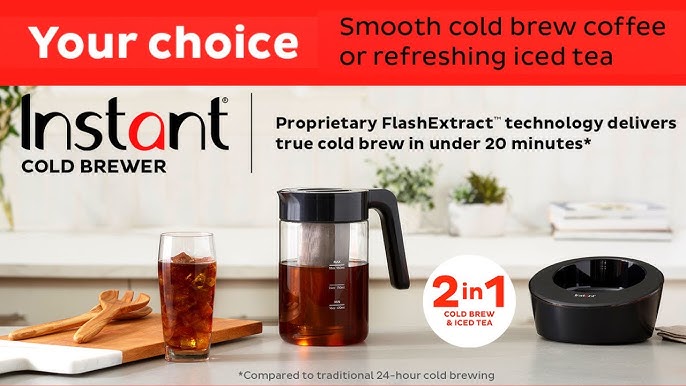
When you start looking for the top cold brew coffee maker, you’ll quickly notice there are a few main types, each with its own charm. The most common is the immersion brewer, which is essentially a pitcher or jar with a fine-mesh filter basket where your coffee grounds steep directly in the water. These are fantastic for their simplicity and ease of use, making them a popular choice for beginners. Then there are drip cold brew makers, which are a bit more elaborate. These often feature a multi-chamber design where cold water slowly drips over coffee grounds, extracting the flavor as it passes through. They can sometimes yield a concentrate faster and with a slightly different flavor profile.
Choosing the right one often comes down to your lifestyle and coffee habits. Consider the capacity – do you need a small batch for yourself or enough for the whole family for a week? Material is another big one: glass offers a classic look and doesn’t retain odors, while sturdy plastic or stainless steel might be better if you’re prone to drops. Filter type is also key; a fine mesh ensures minimal sediment, but some prefer the clarity offered by paper filters (which some makers accommodate). Finally, ease of cleaning is crucial; nobody wants a complex device that’s a nightmare to scrub. As Sarah Jenkins, a renowned coffee consultant, always says, “For beginners, an immersion brewer is a fantastic starting point. It’s forgiving, produces consistently great results, and doesn’t overwhelm you with too many variables.”
Choosing Your Champion: What Makes a Top Cold Brew Coffee Maker?
What truly sets a product apart as the top cold brew coffee maker? It’s a combination of thoughtful design, durable materials, and clever features that make your brewing experience genuinely enjoyable. Look for models with ultra-fine mesh filters; these are critical for preventing pesky grounds from ending up in your final brew, ensuring a clean, smooth sip every time. A high-quality filter can significantly impact the clarity and taste of your cold brew.
Durable construction is also non-negotiable. Whether it’s borosilicate glass that resists thermal shock or BPA-free, food-grade plastic, you want a maker that will stand the test of time and countless brews. Ergonomic design elements, such as a comfortable handle, a drip-free spout, and a secure lid for airtight storage, contribute immensely to the overall user experience. Some of the best makers also include helpful measuring guides on the carafe, taking the guesswork out of your water-to-coffee ratio. Furthermore, consider models that are designed for easy disassembly and cleaning, often being dishwasher-safe. These small details collectively elevate a good cold brew maker to a truly top-tier one, promising both delicious coffee and hassle-free operation.
How to Use a Cold Brew Maker for Perfect Coffee Every Time
Making cold brew at home with a dedicated maker is surprisingly simple, but a few steps ensure you hit that sweet spot of flavor. Here’s a basic guide to getting started:
- Grind Your Beans: Start with a coarse grind, similar to sea salt. This prevents over-extraction and keeps sediment out of your final brew.
- Add Coffee to Filter: Place your coarsely ground coffee into the maker’s filter basket. The exact amount will depend on your maker’s capacity and your desired strength, but a common starting point is a 1:8 coffee-to-water ratio by weight (e.g., 100g coffee to 800ml water).
- Add Cold Water: Slowly pour cold, filtered water over the grounds, making sure they are fully saturated. Some makers recommend stirring gently to ensure all grounds are wet.
- Steep: Place the lid on your maker and let it steep in the refrigerator for 12-24 hours. The longer it steeps, the stronger and more concentrated your brew will be.
- Filter: Once steeped, remove the filter basket containing the spent grounds. If your maker has an additional filtration step, perform it now.
- Dilute (Optional): Your cold brew concentrate is often very strong. Dilute it with water, milk, or ice to your preferred taste before enjoying.
Tips and Tricks to Optimize Your Cold Brew Flavor
Getting consistently amazing cold brew isn’t just about the maker; it’s also about refining your technique. Here are some pro tips to help you get the absolute best flavor:
- Water Quality Matters: Just like with hot coffee, the quality of your water can significantly impact the taste. Use filtered water for the cleanest, purest flavor.
- Bean Choice is Key: While you can cold brew any coffee, medium to dark roasts often shine, offering rich chocolatey and nutty notes. Experiment with different single-origin beans or blends to discover your favorite.
- Mind Your Grind: We’ve mentioned coarse grind, but ensure it’s consistent. An uneven grind can lead to over-extraction of smaller particles and a weaker brew from larger ones.
- Optimal Steeping Time: While 12-24 hours is standard, taste testing is your best friend. Some beans might be perfect at 18 hours, others at 22. Find your sweet spot!
- Experiment with Temperature: While “cold brew” implies cold water, some find that starting with room temperature water for the first few hours before refrigerating can encourage a slightly fuller extraction.
- Add Flavor Enhancements: For an extra twist, consider adding a cinnamon stick, a few cardamom pods, or a splash of vanilla extract during the steeping process.
Cold Brew vs. Traditional Hot Coffee: The Smooth Truth
The debate between cold brew and traditional hot coffee often boils down to personal preference, but there are some objective differences that might sway you. The most notable distinction is acidity. Cold brew is typically much lower in acid than hot coffee, making it a favorite for those with sensitive stomachs or acid reflux. This lower acidity also contributes to its characteristically smooth and mellow flavor profile, often described as chocolatey or nutty, without the bitterness that can sometimes accompany hot brews.
Hot coffee, on the other hand, often highlights brighter, more aromatic notes due to the high-temperature extraction. Its flavor can be more complex and nuanced, depending on the bean and brewing method. When it comes to caffeine, cold brew concentrate often packs a more potent punch per serving than a regular cup of hot coffee, due to its concentrated nature. However, remember that cold brew is usually diluted before drinking, so the final caffeine content per cup might vary. Ultimately, cold brew offers a different, often gentler, coffee experience that many find irresistible, especially when looking for versatility in serving.
How to Store and Enjoy Your Finished Cold Brew
Once you’ve successfully brewed a batch with your top cold brew coffee maker, proper storage is key to maintaining its freshness and flavor. Cold brew concentrate should always be stored in an airtight container in the refrigerator. A good quality cold brew maker will often come with a carafe that doubles as a storage vessel, complete with a tight-sealing lid. When stored correctly, your homemade cold brew concentrate can last for up to two weeks in the fridge, making it a fantastic meal prep item for your daily coffee fix.
The beauty of cold brew lies in its versatility. You can enjoy it in countless ways:
- Classic Iced: Simply pour your concentrate over ice, diluted with water to your preferred strength.
- Creamy Delight: Add your favorite milk or non-dairy alternative for a luscious, creamy beverage.
- Sweetened Treat: Stir in a touch of simple syrup, maple syrup, or honey for a sweeter kick.
- Hot Cold Brew: Yes, you can heat it! Gently warm your diluted cold brew on the stovetop for a low-acid hot coffee experience.
- Cocktail Base: Cold brew makes an excellent base for coffee cocktails, adding depth and richness.
- Culinary Uses: Don’t stop at drinking! Use cold brew in recipes like marinades, desserts, or smoothies for an extra coffee kick.
Frequently Asked Questions
How long does cold brew last in the fridge?
When stored in an airtight container, homemade cold brew concentrate can typically last for up to two weeks in the refrigerator, maintaining its fresh flavor.
Can I use any coffee beans for cold brew?
While you can technically use any coffee beans, medium to dark roasts often yield the best results for cold brew, producing a smoother, richer flavor profile.
What’s the best water for cold brew?
Filtered water is highly recommended for cold brew. It ensures a clean taste and prevents any impurities from affecting the delicate flavors of your coffee.
Is a cold brew maker hard to clean?
Most top cold brew coffee makers are designed for easy cleaning, often featuring removable parts and being dishwasher-safe. Look for models with simple designs to make cleanup a breeze.
Do I need a special grind for cold brew?
Yes, a coarse grind is crucial for cold brew. This helps prevent over-extraction and minimizes sediment in your finished coffee, ensuring a smooth sip.
Is cold brew stronger than regular coffee?
Cold brew concentrate is generally more potent than regular hot coffee. However, it’s typically diluted with water or milk before drinking, so the final strength per cup can vary based on your personal preference.
Conclusion
Embarking on your cold brew journey with the top cold brew coffee maker is an investment in unparalleled coffee enjoyment. From its inherently smooth, low-acid profile to the sheer convenience of having concentrate ready in your fridge, cold brew offers a delightful alternative to traditional hot coffee. We’ve explored the different types of makers, what features to prioritize, and countless tips to perfect your brew. No matter your preference, there’s a cold brew maker out there waiting to transform your daily ritual. So go ahead, find your perfect partner in cold brew, experiment with flavors, and savor the rich, mellow taste that only a perfectly made cold brew can deliver. Your taste buds (and your mornings) will thank you!
|
Our Picks for the Best Cold Brew Maker in 2026
As an Amazon Associate I earn from qualifying purchases.
|
||
| Num | Product | Action |
|---|---|---|
| 1 | Proctor Silex Electric Coffee Grinder for Beans, Spices and More, Stainless Steel Blades, 12 Cups, White |

|
| 2 | BLACK+DECKER One Touch Coffee Grinder, 2/3 Cup Coffee Bean Capacity, Spice Grinder, One Touch Push-Button Control -150 Watts -Stainless Steel Blades |
|
| 3 | OXO Brew Conical Burr Coffee Grinder - Silver, Stainless Steel Burrs, One-Touch Automatic Smart Grind |
|
| 4 | Hamilton Beach Fresh Grind Electric Coffee Grinder for Beans, Spices and More, Stainless Steel Blades, Removable Chamber, Makes up to 12 Cups, Black |
|
| 5 | Cuisinart Coffee Grinder, Electric One-Touch Automatic Burr Coffee Grinder with 18-Position Grind Selector, Cup Size Selector for 4 – 18 Cups, DBM-8P1, Black Stainless |
|
| 6 | Coffee Grinder Electric - Quiet Stainless Steel Blade Coffee Bean Grinder And Spice Grinder - Great For Coffee Beans And Spices - Small Coffee Grinder Perfect For At Home Coffee Enthusiasts |
|
| 7 | Amazon Basics Electric Coffee Grinder, Coffee Bean and Spice Grinder, With Heavy-Duty Stainless Steel Grind Blades |
|
| 8 | KRUPS Precision Electric Coffee Grinders, 3 oz Capacity, 200W Motor, Stainless Steel Blades for Uniform Grinding of Beans, Herb and Nuts, Coffee and Spice Grinder Electric, (Black) |
|
| 9 | Wancle Electric Coffee Grinder, Spice Grinder, One Touch Coffee Mill for Beans, Spices and More, with Clean Brush Black |
|
| 10 | Hamilton Beach Custom Grind Electric Coffee Grinder for 4-14 Cups, One-Press Hand-Free Operation with Auto Shutoff, Removable Grinding Bowl For Easy Pour and Clean, Stainless Steel (80406) |
|