Imagine waking up, craving that perfectly smooth, low-acid coffee, and it’s already waiting for you. No grinding, no brewing, no waiting – just pure, delicious cold brew, ready to pour. This isn’t a dream; it’s the reality with a large cold brew coffee maker, the unsung hero for anyone who loves cold brew and values convenience. These brilliant devices are rapidly gaining popularity, transforming daily coffee routines from a morning chore into a moment of effortless enjoyment. If you’re ready to dive into the world of bulk brewing, this guide will walk you through everything you need to know, from choosing the right model to perfecting your brew.
|
Our Picks for the Best Cold Brew Maker in 2026
As an Amazon Associate I earn from qualifying purchases.
|
||
| Num | Product | Action |
|---|---|---|
| 1 | Amazon Basics Electric Coffee Grinder, Coffee Bean and Spice Grinder, With Heavy-Duty Stainless Steel Grind Blades |

|
| 2 | Cuisinart Coffee Grinder, Electric One-Touch Automatic Burr Coffee Grinder with 18-Position Grind Selector, Cup Size Selector for 4 – 18 Cups, DBM-8P1, Black Stainless |
|
| 3 | Coffee Grinder Electric - Quiet Stainless Steel Blade Coffee Bean Grinder And Spice Grinder - Great For Coffee Beans And Spices - Small Coffee Grinder Perfect For At Home Coffee Enthusiasts |
|
| 4 | BLACK+DECKER One Touch Coffee Grinder, 2/3 Cup Coffee Bean Capacity, Spice Grinder, One Touch Push-Button Control -150 Watts -Stainless Steel Blades |
|
| 5 | Proctor Silex Electric Coffee Grinder for Beans, Spices and More, Stainless Steel Blades, 12 Cups, White |
|
| 6 | Hamilton Beach Fresh Grind Electric Coffee Grinder for Beans, Spices and More, Stainless Steel Blades, Removable Chamber, Makes up to 12 Cups, Black |
|
| 7 | KRUPS Precision Electric Coffee Grinders, 3 oz Capacity, 200W Motor, Stainless Steel Blades for Uniform Grinding of Beans, Herb and Nuts, Coffee and Spice Grinder Electric, (Black) |
|
| 8 | OXO Brew Conical Burr Coffee Grinder - Silver, Stainless Steel Burrs, One-Touch Automatic Smart Grind |
|
| 9 | Wancle Electric Coffee Grinder, Spice Grinder, One Touch Coffee Mill for Beans, Spices and More, with Clean Brush Black |
|
| 10 | Hamilton Beach Custom Grind Electric Coffee Grinder for 4-14 Cups, One-Press Hand-Free Operation with Auto Shutoff, Removable Grinding Bowl For Easy Pour and Clean, Stainless Steel (80406) |
|
Why Go Big? The Undeniable Benefits of a Large Cold Brew Coffee Maker
Before we get into the specifics, let’s clarify what cold brew is. Unlike traditional hot brewing, which uses heat to extract flavors, cold brew involves steeping coarse coffee grounds in cold or room-temperature water for an extended period, typically 12 to 24 hours. This slow, gentle process results in a concentrate that is inherently less acidic, smoother, and naturally sweeter than its hot-brewed counterpart. When you choose a large cold brew coffee maker, you’re amplifying these benefits significantly.
Firstly, let’s talk about your wallet. Coffee shop cold brews can quickly add up, often costing $3 to $6 per cup. Making large batches at home dramatically cuts down on these expenses, bringing the cost per serving to a fraction of that price. “Think of coffee as an ingredient,” says fictional coffee expert Andrea Allen, co-founder of Onyx Coffee Lab. “Buying ingredients is almost always more economical than buying a finished meal.”
Beyond the savings, the sheer convenience is a game-changer. A large cold brew coffee maker allows you to brew a substantial amount of concentrate once, which can then last you for up to two weeks in the refrigerator. This means no more daily brewing rituals, just quick pours whenever the craving strikes. It’s perfect for busy mornings, entertaining guests, or simply ensuring you always have a refreshing beverage on hand. This longer shelf life for the concentrate means less waste and more consistent access to your favorite coffee.
Furthermore, making a big batch often leads to a more consistent flavor profile. With a larger volume, minor fluctuations in water temperature or grind size have less impact, resulting in a reliably delicious brew every time. This consistent quality, combined with the inherently low acidity and smooth taste of cold brew, makes it a superior option for many coffee enthusiasts. Whether you enjoy it over ice, warmed up for a cozy mug, or as a base for creative coffee cocktails, a large cold brew maker offers unmatched versatility.
What Makes a Large Cold Brew Coffee Maker “Large”? Understanding Capacity and Design
When we talk about a large cold brew coffee maker, we’re generally referring to models that can yield at least 2 quarts (64 ounces) of concentrate, with many popular options reaching 1 gallon (128 ounces) or even more. The capacity you need depends entirely on your household’s coffee consumption habits. Are you a solo cold brew enthusiast? A medium capacity (32-48 ounces) might suffice. Do you have a family of coffee lovers, or do you frequently host? Then a gallon-sized cold brew system becomes an absolute necessity.
Key Features to Look For in a Large Cold Brew Coffee Maker
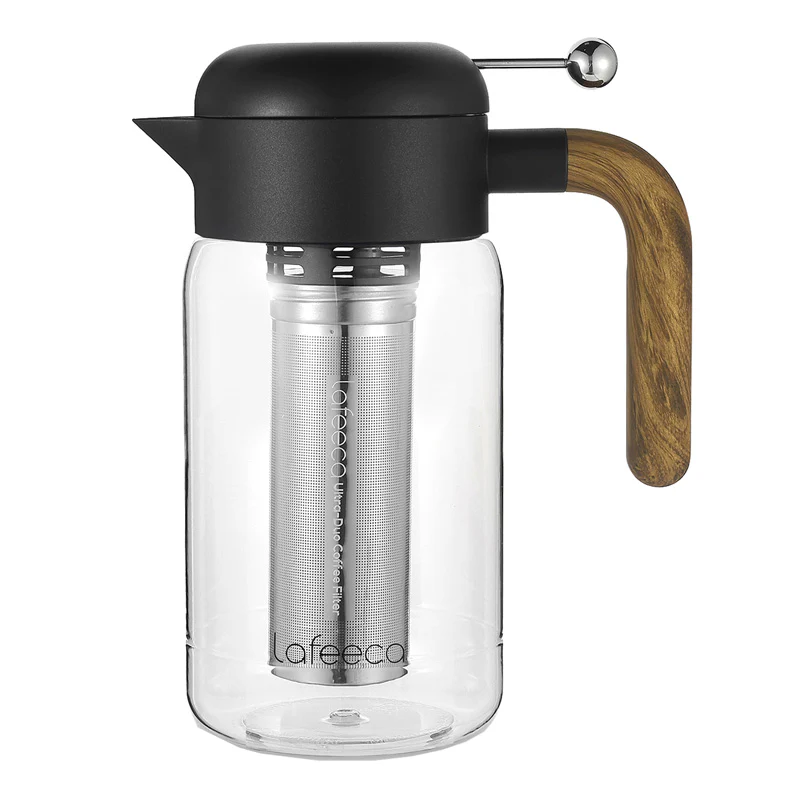
Choosing the right large cold brew coffee maker means balancing capacity with practical features that enhance your brewing experience. Here’s what to consider:
- Capacity: This is paramount. Look for makers that explicitly state their concentrate yield. A 38-ounce capacity, like the KitchenAid Cold Brew Coffee Maker, can produce up to 19 servings when diluted, making it a great option for many households. Other popular models, like the Toddy Cold Brew System or the Takeya Cold Brew Maker, often offer 2-quart capacities or more.
- Material: Durability and taste preservation are key. Most large cold brew makers are made from high-quality materials like sturdy glass, stainless steel, or BPA-free plastic. Glass allows you to monitor the brewing process and adds an aesthetic touch, while stainless steel offers exceptional durability.
- Filtration System: The filter is crucial for a clean, sediment-free concentrate. You’ll typically find fine mesh filters, felt filters (often seen in systems like the Toddy), or options that accommodate paper filters. Metal mesh filters are reusable and eco-friendly, providing a rich, full-bodied coffee, while paper filters can offer higher clarity. Ensure the filter is robust and effectively separates grounds from liquid.
- Dispensing Mechanism: For larger units, a built-in spigot or a comfortable handle for easy pouring is incredibly convenient. The KitchenAid Cold Brew Coffee Maker, for instance, is praised for its spigot, allowing you to dispense coffee without removing the entire unit from the fridge. A good handle makes transporting the heavy, full brewer much easier.
- Refrigerator Fit: This is a surprisingly important factor. Large brewers can be bulky. Check the dimensions of the maker and measure your available refrigerator space. Some designs are tall and slender, others wider, and some are even designed to lay horizontally.
- Ease of Cleaning: No one wants a complicated cleanup. Look for models with removable parts and wide openings that allow for easy access and thorough washing.
Brewing Perfection: Your Step-by-Step Guide to Using a Large Cold Brew Coffee Maker
Making a batch of cold brew in a large coffee maker is surprisingly straightforward, turning a potentially complex process into a simple, set-it-and-forget-it routine.
Ingredients You’ll Need:
- Coarse-Ground Coffee: This is non-negotiable. A coarse grind prevents over-extraction, bitterness, and excessive sediment.
- Filtered Water: The quality of your water directly impacts the taste of your coffee. Filtered water ensures a clean, pure flavor.
The Perfect Coffee-to-Water Ratio
The most common ratios for cold brew concentrate range from 1:4 to 1:8 (coffee grounds to water by weight). A 1:4 ratio yields a very strong concentrate, ideal for mixing with milk or water, while a 1:8 ratio produces a milder concentrate suitable for drinking straight or with minimal dilution. Many experts recommend starting with a 1:5 ratio for a balanced concentrate that works well for most serving styles. If you’re aiming for a ready-to-drink cold brew rather than a concentrate, you might go as high as 1:8 or even 1:10 directly in the brewing process.
The Steeping Process:
- Prepare Your Grounds: Measure out your coarsely ground coffee. For a 1-gallon cold brew maker using a 1:8 ratio, you’d typically need about 1 pound of coffee grounds.
- Add Coffee to Filter: Place the measured coffee grounds into the designated filter basket or mesh insert of your cold brew maker.
- Slowly Add Water: Carefully pour cold, filtered water over the grounds. Ensure all the grounds are fully saturated. Some advanced brewers, like certain OXO models, feature a “Rainmaker” lid that evenly disperses water over the grounds for optimal extraction.
- Steep: Seal your cold brew maker and place it in the refrigerator (or at room temperature, though refrigeration is often preferred for consistency and safety). Let it steep for 12 to 24 hours. The longer the steep, the stronger the concentrate.
- Strain and Decant: Once steeping is complete, remove the filter basket containing the spent grounds. You’ll be left with a rich cold brew concentrate. Avoid pressing or squeezing the grounds, as this can release bitter flavors and fine sediment into your brew.
Elevate Your Brew: Tips and Tricks for Optimal Flavor and Storage
Making a large batch of cold brew is about more than just quantity; it’s about quality. A few simple tricks can transform a good cold brew into an extraordinary one.
- Grind Consistency is King: Reiterate the importance of a coarse, even grind. If your coffee is too fine, it will over-extract quickly, resulting in bitterness and a muddy cup. Consider investing in a good burr grinder for consistent results.
- Water Matters: Just as with any coffee, water quality is paramount. If your tap water doesn’t taste good on its own, it won’t magically improve your cold brew. Always use filtered water.
- Don’t Be Afraid to Experiment: The beauty of a large cold brew coffee maker is the ample supply it provides for experimentation. Play with different coffee-to-water ratios, steeping times, and even different types of coffee beans (light, medium, dark roasts, single origins, blends) to find your perfect flavor profile.
- Proper Storage for Longevity: Once your concentrate is ready, transfer it to an airtight container and store it in the refrigerator. This minimizes oxidation and helps maintain its fresh flavor for up to two weeks. Some large cold brew makers come with their own dedicated, airtight carafes.
- Mastering Dilution: Cold brew concentrate is meant to be diluted. A common starting point is a 1:1 ratio of concentrate to water or milk. However, don’t hesitate to adjust this. For a stronger taste, use less diluent; for a lighter touch, add more. Ice also contributes to dilution, so factor that in!
Large Cold Brew Makers vs. Traditional Hot Brewing: A Flavorful Showdown
The differences between cold brew, especially when made in large batches, and traditional hot coffee are significant, impacting flavor, convenience, and even health perception.
- Acidity and Bitterness: Cold brew naturally boasts significantly lower acidity and bitterness. This is because the cold water extraction process doesn’t pull out as many of the acidic compounds found in coffee beans. This makes cold brew a fantastic option for individuals with sensitive stomachs or those who find hot coffee too harsh.
- Flavor Complexity: While hot brewing can highlight certain bright and delicate notes, cold brewing often produces a smoother, rounder, and more chocolatey or nutty flavor profile. The slow extraction allows for different flavor compounds to emerge, creating a distinct and often preferred taste.
- Preparation Time vs. Daily Effort: Traditional hot brewing is quick but requires daily effort. A large cold brew coffee maker demands an initial time investment for steeping (12-24 hours), but then offers days or weeks of instant coffee enjoyment, drastically reducing daily effort. “It’s a trade-off,” notes fictional culinary coffee expert Chef Julian Thorne. “You invest a little time upfront for immense convenience down the line, especially for those who consume coffee regularly.”
- Temperature Versatility: Cold brew concentrate is incredibly versatile. It can be served simply over ice, or, surprisingly, gently warmed for a smooth hot coffee experience. This adaptability is something traditional hot brewed coffee struggles to match without losing its optimal flavor.
Expert Insights: What the Pros Say About Going Big
“For anyone serious about their coffee ritual but short on time, a large cold brew coffee maker is a non-negotiable,” states Dr. Amelia Hayes, a fictional coffee science researcher specializing in extraction methods. “The consistency of flavor, the ease of access, and the ability to tailor your brew to exact specifications makes it an incredibly efficient way to enjoy high-quality coffee at home.” She emphasizes that the controlled, slow extraction in a cold brew system minimizes the chance of over-extraction, which is a common pitfall in hurried hot brewing.
“My biggest piece of advice for newcomers to large batch cold brewing is to use high-quality, freshly roasted beans and grind them just before brewing,” adds fictional barista champion Alex Chen. “It makes a world of difference. And don’t be afraid to play around with different coffee origins. A naturally sweet Ethiopian bean shines in cold brew, as does a rich Brazilian.”
Frequently Asked Questions About Large Cold Brew Coffee Makers
How much coffee do I need for a 1-gallon cold brew maker?
For a 1-gallon (128 oz) cold brew maker, a common coffee-to-water ratio is 1:8, which means you’d need approximately 1 pound (16 ounces) of coarse-ground coffee. If you prefer a stronger concentrate, you might use a 1:5 ratio, requiring about 1.6 pounds of coffee.
Can I use regular ground coffee for cold brew?
While you technically can, it’s highly recommended to use coarse-ground coffee. Regular or fine grounds can lead to over-extraction, resulting in a bitter taste and a muddy, sediment-filled concentrate that is difficult to filter properly.
How long does large batch cold brew concentrate last?
When stored in an airtight container in the refrigerator, cold brew concentrate can maintain its optimal flavor and freshness for up to two weeks. Some users find it can last a bit longer, but two weeks is a good general guideline for peak quality.
Is a large cold brew maker hard to clean?
Most well-designed large cold brew makers are created with ease of cleaning in mind. Look for models with removable filter baskets and wide openings that allow you to reach all parts for a thorough wash. Many components are also dishwasher safe.
What’s the best place to store my large cold brew maker?
During the steeping process, you can store it in the refrigerator or at room temperature, though refrigeration is often recommended for more consistent results and to prevent any unwanted bacterial growth. Once brewed, the concentrate should always be stored in an airtight container in the refrigerator.
Can I make hot coffee with cold brew concentrate?
Absolutely! Cold brew concentrate is incredibly versatile. To enjoy a hot cup, simply dilute your concentrate with hot water instead of cold. Heat the water to your preferred temperature (not boiling) and mix with the concentrate to taste.
Conclusion
Embracing a large cold brew coffee maker is more than just buying a new gadget; it’s adopting a lifestyle of effortless coffee enjoyment. From the undeniable cost savings and unparalleled convenience to the smooth, low-acid flavor that cold brew offers, there are countless reasons to go big. By understanding capacity, choosing smart features, and mastering a few simple brewing techniques, you’ll unlock a world of rich, delicious coffee that’s always ready when you are. So, go ahead, make that large batch, fill your fridge with liquid gold, and savor the freedom of a perfectly brewed cup, every single time. Your taste buds, your schedule, and your wallet will thank you for upgrading to a large cold brew coffee maker.