There’s a quiet revolution brewing in kitchens worldwide, and it’s redefining how we experience our daily cup. Forget the hurried drip of hot coffee that can sometimes leave you with a bitter aftertaste; we’re talking about the smooth, rich, and incredibly satisfying world of cold brew. And at the heart of this flavorful transformation? The humble yet mighty coffee maker for cold brew. This isn’t just about making iced coffee; it’s about unlocking a deeper, more nuanced side of your favorite beans, all with remarkable ease and a little patience.
If you’ve been curious about the buzz, or if you’re ready to ditch those expensive café runs, understanding what a dedicated cold brew coffee maker brings to your counter is your first step toward mastering this delightful beverage at home. Let’s dive into why this specific piece of equipment is quickly becoming an essential for discerning coffee lovers.
|
Our Picks for the Best Cold Brew Maker in 2026
As an Amazon Associate I earn from qualifying purchases.
|
||
| Num | Product | Action |
|---|---|---|
| 1 | Wancle Electric Coffee Grinder, Spice Grinder, One Touch Coffee Mill for Beans, Spices and More, with Clean Brush Black |

|
| 2 | BLACK+DECKER One Touch Coffee Grinder, 2/3 Cup Coffee Bean Capacity, Spice Grinder, One Touch Push-Button Control -150 Watts -Stainless Steel Blades |
|
| 3 | KRUPS Precision Electric Coffee Grinders, 3 oz Capacity, 200W Motor, Stainless Steel Blades for Uniform Grinding of Beans, Herb and Nuts, Coffee and Spice Grinder Electric, (Black) |
|
| 4 | Hamilton Beach Custom Grind Electric Coffee Grinder for 4-14 Cups, One-Press Hand-Free Operation with Auto Shutoff, Removable Grinding Bowl For Easy Pour and Clean, Stainless Steel (80406) |
|
| 5 | Hamilton Beach Fresh Grind Electric Coffee Grinder for Beans, Spices and More, Stainless Steel Blades, Removable Chamber, Makes up to 12 Cups, Black |
|
| 6 | Cuisinart Coffee Grinder, Electric One-Touch Automatic Burr Coffee Grinder with 18-Position Grind Selector, Cup Size Selector for 4 – 18 Cups, DBM-8P1, Black Stainless |
|
| 7 | Proctor Silex Electric Coffee Grinder for Beans, Spices and More, Stainless Steel Blades, 12 Cups, White |
|
| 8 | OXO Brew Conical Burr Coffee Grinder - Silver, Stainless Steel Burrs, One-Touch Automatic Smart Grind |
|
| 9 | Coffee Grinder Electric - Quiet Stainless Steel Blade Coffee Bean Grinder And Spice Grinder - Great For Coffee Beans And Spices - Small Coffee Grinder Perfect For At Home Coffee Enthusiasts |
|
| 10 | Amazon Basics Electric Coffee Grinder, Coffee Bean and Spice Grinder, With Heavy-Duty Stainless Steel Grind Blades |
|
What Exactly is a Coffee Maker for Cold Brew, and Why Do You Need One?
At its core, cold brew coffee is exactly what it sounds like: coffee steeped in cold or room-temperature water for an extended period, typically 12 to 24 hours. This slow, gentle extraction method is a stark contrast to traditional hot brewing, where high temperatures rapidly pull out flavors. The result? A remarkably different coffee profile. Cold brew is famously less acidic, boasting a smoother, naturally sweeter taste that’s far less bitter than its hot-brewed counterparts. This makes it a fantastic option for those with sensitive stomachs or anyone who simply prefers a mellow, full-bodied coffee experience.
So, why invest in a specialized coffee maker for cold brew when you could technically just use a jar and a strainer? Convenience, consistency, and cleanliness, my friend. While a DIY approach works, a dedicated cold brew maker streamlines the entire process. These ingenious devices come with integrated filtration systems, preventing messy pouring and ensuring a sediment-free brew. They’re designed for efficient steeping and easy dispensing, turning what could be a multi-step chore into a simple, elegant routine. Many also create a potent cold brew concentrate, a versatile base you can dilute to your preferred strength, saving you time and money on daily brewing.
“The beauty of a specialized cold brew maker lies in its thoughtful design, optimizing every stage from steeping to serving,” notes Dr. Elara Vance, a renowned Coffee Anthropologist and Flavor Scientist. “It simplifies the complex alchemy of cold extraction, making premium coffee accessible to everyone.”
Navigating the World of Cold Brew Makers: Popular Types and How to Choose
Just like any other coffee equipment, cold brew makers come in a delightful array of designs, each with its own charm and method. Understanding these types will help you pick the perfect companion for your cold brew adventures.
Immersion-Style Cold Brew Makers: The Classic Choice
This is by far the most common type you’ll encounter, and for good reason. Immersion cold brew makers work by fully submerging coffee grounds in cold water for the entire brewing duration. Think of it like making a giant teabag of coffee. Most models feature a main container (often glass or plastic) with a fine mesh filter basket where the grounds steep. Once brewing is complete, you simply remove the filter or activate a release mechanism to drain the concentrated cold brew.
- Pros: They are generally very simple to use, incredibly forgiving with brewing times, and consistently produce a rich, strong concentrate. Many are also quite affordable and easy to clean.
- Cons: The primary downside is the time commitment—you’ll need to plan at least 12-24 hours ahead for your coffee fix.
Slow-Drip (Kyoto or Dutch-Style) Cold Brew Makers: A Visual Delight
For the connoisseurs who appreciate both form and function, slow-drip systems are a work of art. These elegant setups involve cold water slowly dripping, drop by precise drop, through a bed of coffee grounds, then into a collection carafe below. This method is often attributed to 17th-century Dutch merchants and popularized in Kyoto, Japan.
- Pros: They offer a truly unique visual experience and are known for producing an exceptionally clean, vibrant, and even less acidic cold brew. The process is also typically faster than immersion, taking 6-12 hours.
- Cons: Slow-drip makers tend to be taller and more intricate, which can make them pricier and sometimes more challenging to clean. They also require more space on your counter or in your fridge.
Automatic Cold Brew Makers: Speed and Simplicity
In a world where time is often of the essence, automatic cold brew makers offer a compelling alternative. These electric devices utilize various mechanisms, often circulating water through grounds or rapidly spinning them, to significantly reduce brewing time. Some can produce a batch in as little as 15 to 45 minutes, a major advantage over traditional methods.
- Pros: Unbeatable speed and convenience. Many models also offer adjustable strength settings, allowing you to customize your brew with the touch of a button.
- Cons: They are generally more expensive than manual options and can sometimes be a bit noisy during operation. Some users also report that certain automatic models might have more fragile components.
Key Factors to Consider When Choosing Your Cold Brew Maker
Selecting the right coffee maker for cold brew is a personal journey, but a few key considerations can guide you:
- Capacity: How much coffee do you drink? Do you need a single-serve option for daily use, a family-sized brewer, or a large batch maker for entertaining? Capacities typically range from 16 ounces to well over 64 ounces.
- Filtration System: Fine mesh stainless steel filters are reusable and eco-friendly, though some may allow a tiny bit of sediment. Paper filter compatible systems offer a cleaner cup but require ongoing purchases. Dual-stage systems combine both for optimal clarity.
- Material: Borosilicate glass is non-reactive and looks great but can be fragile. Stainless steel is durable and easy to clean. BPA-free plastics are lightweight and shatter-resistant, often found in budget-friendly options.
- Ease of Cleaning: Look for models with dishwasher-safe components, wide openings for easy manual scrubbing, and removable filter assemblies to prevent residue buildup.
- Budget: Cold brew makers span a wide price range. You can find excellent entry-level options for under $30, while premium or automatic systems can go upwards of $100-$200. Determine what features are most important to you and align that with your budget.
Brewing the Perfect Batch: Your Guide to Using a Coffee Maker for Cold Brew
Once you’ve got your ideal coffee maker for cold brew, it’s time to get brewing! The process is refreshingly simple, but a few details can make all the difference in achieving that café-quality taste.
The Right Ingredients Matter
Think of your cold brew as a canvas; the quality of your ingredients will determine the masterpiece.
- Coffee Beans: While you can technically use any beans, medium to dark roasts often shine brightest in cold brew. Their inherent flavor profiles (think chocolate, nuts, caramel) tend to extract beautifully in cold water, leading to a richer, more profound taste. Lighter roasts, with their delicate floral or fruity notes, can sometimes get lost in the cold extraction process.
- Grind Size: This is arguably the most crucial factor for optimal cold brew. You need a coarse grind—think breadcrumbs or sea salt. A finer grind will lead to over-extraction, resulting in a bitter, astringent taste and a muddy, silty brew that clogs your filter.
- Water Quality: Just as with any coffee brewing, filtered water is highly recommended. Tap water often contains chlorine or minerals that can impart off-flavors, which become even more noticeable during the long cold brew steeping process. Using filtered water ensures a clean, pure base for your coffee.
Step-by-Step Cold Brewing Process
While specific instructions might vary slightly depending on your particular cold brew maker, the general immersion method usually goes something like this:
- Prepare Your Grounds: Grind your chosen coffee beans to a coarse consistency. For consistency, weighing your beans (rather than using volume measurements like tablespoons) is always a good idea. A common ratio is 1:4 to 1:8 coffee to water for a concentrate.
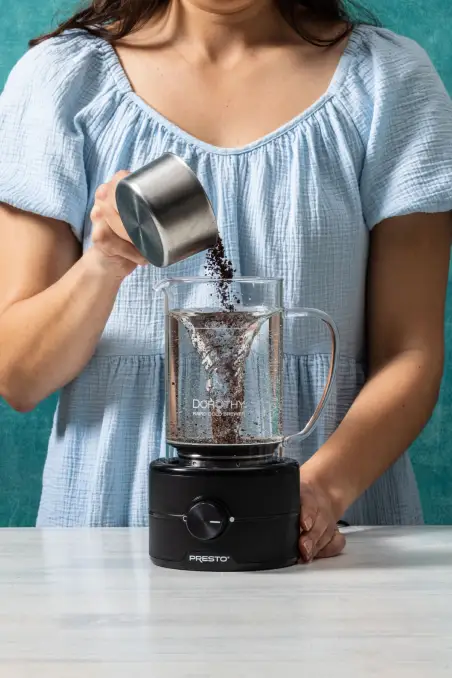
- Add Coffee to Filter: Place the coarse coffee grounds into the filter basket of your cold brew maker.
- Add Water: Slowly pour cold or room-temperature filtered water over the grounds. Many makers have a “rainmaker” or dispersion plate to ensure even saturation. Gently stir to make sure all grounds are wet.
- Steep: Seal your cold brew maker and place it in the refrigerator (or leave it on the counter, depending on your preference and maker’s instructions) to steep for 12 to 24 hours. The longer the steep, the stronger the concentrate.
- Separate and Enjoy: Once your brewing time is up, remove the filter basket or activate the release mechanism to separate the brewed coffee concentrate from the spent grounds. Your delicious, ready-to-dilute cold brew concentrate is now ready!
Unlock Peak Flavor: Tips and Tricks for Your Cold Brew
Making cold brew is wonderfully forgiving, but a few expert tips can help you consistently achieve peak flavor:
- Experiment with Ratios: The 1:4 to 1:8 coffee-to-water ratio is a starting point. If you prefer a very strong concentrate, lean towards 1:4 or 1:5. For a ready-to-drink cold brew, a 1:6 to 1:8 ratio might be perfect. Don’t be afraid to adjust based on your personal taste.
- Find Your Sweet Spot for Steeping Time: While 12-24 hours is the norm, some beans might shine with a shorter or longer steep. Keep a little journal of your experiments to track what works best for your palate and your chosen beans.
- Proper Storage is Key: Once brewed, transfer your cold brew concentrate to an airtight container and store it in the refrigerator. This will keep it fresh and delicious for up to two weeks. Ready-to-drink cold brew typically lasts 7-10 days.
- Master Your Dilution: Cold brew concentrate is potent! For serving, start with a 1:1 ratio of concentrate to water or milk, and adjust to taste. Many enjoy it over ice, perhaps with a splash of cream or a touch of sweetener.
- Beyond Coffee: Your coffee maker for cold brew isn’t a one-trick pony. It’s excellent for making iced tea concentrate or even infusing flavored waters. Just swap out coffee for your favorite tea leaves or fruits and herbs.
Cold Brew vs. Traditional Hot Coffee: The Undeniable Benefits
While hot coffee certainly has its place, cold brew offers a distinct set of advantages that make it a compelling alternative, especially when made with a dedicated machine.
- Less Acidic, Smoother Taste: This is the flagship benefit. The cold water extraction process results in coffee with significantly lower acidity, eliminating the bitter notes often associated with hot brewing. The flavor profile is inherently smoother, richer, and often described as chocolatey or caramel-like.
- Easier on the Stomach: For those who experience heartburn or digestive discomfort from regular coffee, the reduced acidity of cold brew can be a game-changer, allowing them to enjoy their caffeine fix without the side effects.
- Higher Caffeine Content (Concentrate): Due to the higher coffee-to-water ratio typically used and the longer extraction, cold brew concentrate can pack a serious caffeine punch. This means you often need less to feel the invigorating effects.
- Unmatched Convenience: Once you’ve brewed a batch of concentrate in your coffee maker for cold brew, you have several days’ worth of ready-to-drink coffee at your fingertips. No more daily grinding and brewing; just pour, dilute, and go. It’s perfect for busy mornings or meal prepping your caffeine.
- Versatility in Serving: Cold brew concentrate is incredibly versatile. Enjoy it over ice, heat it up for a smooth hot coffee, use it as a base for lattes, blend it into smoothies, or even incorporate it into cocktails and desserts. The possibilities are endless!
Keeping It Fresh: Storage and Enjoyment of Your Cold Brew
You’ve put in the time and effort (minimal as it is with a good maker) to brew a fantastic batch of cold brew. Now, let’s make sure it stays perfect for as long as possible.
- Airtight is Key: After brewing, immediately transfer your cold brew concentrate to an airtight container. Exposure to air can cause oxidation, leading to a stale taste. Glass jars with tight-fitting lids or specialty cold brew carafes with airtight seals are ideal.
- Refrigerate, Always: Cold brew thrives in cold environments. Always store your concentrate in the refrigerator to maintain its freshness and inhibit bacterial growth.
- Know Your Shelf Life: Properly stored cold brew concentrate can last up to two weeks in the refrigerator without significant flavor degradation. Ready-to-drink, diluted cold brew is best consumed within 7-10 days.
- Creative Ways to Enjoy: Beyond the classic iced coffee, consider:
- Cold Brew Lattes: Mix concentrate with your favorite milk and a touch of syrup.
- Smoothie Booster: Add a splash to your morning smoothie for an extra kick.
- Coffee Cocktails: It makes a superb base for espresso martinis or other coffee-infused libations.
- Desserts: Incorporate it into tiramisu, ice cream, or coffee-flavored glazes.
Frequently Asked Questions About Cold Brew Coffee Makers
How long does cold brew coffee last once made?
Properly stored cold brew coffee concentrate can last up to two weeks in the refrigerator when kept in an airtight container. Ready-to-drink cold brew typically maintains peak flavor for 7-10 days. Always store it in the refrigerator and use clean utensils to maximize freshness.
What’s the difference between cold brew concentrate and ready-to-drink cold brew?
Cold brew concentrate uses a higher coffee-to-water ratio (typically 1:4 or 1:5) and requires dilution before drinking. Ready-to-drink cold brew uses a lower ratio (1:6 to 1:8) and can be consumed directly. Concentrate offers more flexibility for customizing strength and flavor, while ready-to-drink provides immediate convenience.
Can I use any type of coffee beans for cold brew?
Yes, you can use any coffee beans, but medium to dark roasts typically work best due to their lower acidity and fuller body, which are enhanced by the cold brewing process. Always use a coarse grind to prevent over-extraction and ensure proper filtration.
Do I need to use filtered water for cold brew coffee?
Using filtered water is highly recommended. Water quality significantly impacts the final flavor, and tap water with high chlorine content or mineral imbalances can create off-flavors that become more pronounced during the long extraction process. Filtered water ensures cleaner, more consistent results.
How much should I expect to spend on a good beginner cold brew coffee maker?
A quality beginner coffee maker for cold brew typically costs between $25-$75, offering good build quality, effective filtration, and user-friendly features. While entry-level options under $25 can work, investing in the $40-$75 range usually provides better durability, improved filtration, and enhanced ease of use for regular users.
The Cold Brew Journey Starts Here
Making cold brew at home is more than just a trend; it’s a lifestyle upgrade for coffee enthusiasts seeking a smoother, less acidic, and incredibly versatile coffee experience. A dedicated coffee maker for cold brew empowers you to unlock this potential, transforming your kitchen into a personal café. By understanding the different types, selecting the right ingredients, and following a few simple steps, you’ll be consistently brewing delightful cold brew that rivals any coffee shop.
So, go ahead, explore the possibilities, experiment with flavors, and savor the rich rewards of your very own homemade cold brew. Your taste buds (and your wallet) will thank you!