Are you tired of constantly brewing small batches of cold brew, only to run out before the day is done? Whether you’re fueling a busy office, hosting regular gatherings, or simply have an insatiable love for smooth, low-acid coffee, a 5 Gallon Cold Brew Coffee Maker might just be the game-changer you need. This impressive piece of equipment transforms the way you approach your daily caffeine ritual, making large-scale brewing not just possible, but effortlessly convenient.
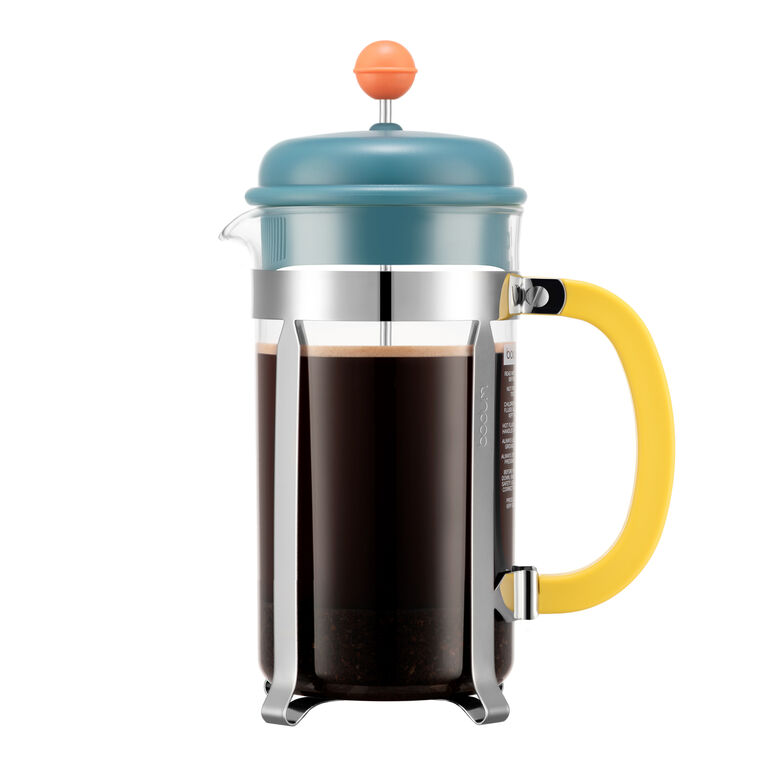
What is a 5 Gallon Cold Brew Coffee Maker and Why You Need One
At its core, a 5 gallon cold brew coffee maker is a large-capacity brewing system designed to produce significant quantities of cold brew concentrate. Think of it as your personal, high-volume coffee factory. While traditional cold brew methods are fantastic for individual servings, they quickly become impractical when you need to serve many or simply want to stock up.
These brewers typically consist of a robust vessel, a fine-mesh filter or a filter bag system, and often a convenient spigot for dispensing. They’re built for efficiency and consistency, allowing you to brew a substantial amount of cold brew in one go, saving you time and effort in the long run. For families with multiple coffee drinkers, small businesses, events, or even just serious cold brew aficionados, the ability to brew 5 gallons at once ensures you always have a fresh, ready supply of your favorite beverage. It’s about more than just quantity; it’s about simplifying your routine and ensuring everyone gets their smooth, refreshing fix without the constant re-brewing hustle.
Types of 5 Gallon Cold Brew Makers: Finding Your Perfect Match
Choosing the right 5 gallon cold brew coffee maker involves considering a few key aspects, from the brewing mechanism to the materials used. Each type offers unique advantages, catering to different preferences and needs.
Immersion vs. Drip Systems
The most common large-capacity cold brew makers use an immersion method, where coffee grounds are fully submerged in water for an extended period. This method is praised for its simplicity and for producing a rich, full-bodied concentrate. Drip systems, though less common in the 5-gallon size, involve slowly dripping water over grounds, often yielding a cleaner, brighter, and sometimes more nuanced flavor profile. For home and most commercial large-batch applications, immersion brewers are generally preferred for their ease of use and reliability.
Material Matters: Stainless Steel vs. Food-Grade Plastic
The material of your cold brew maker significantly impacts durability, hygiene, and even the taste of your coffee.
- Stainless Steel: Often considered the gold standard, stainless steel brewers are robust, resistant to corrosion, and won’t impart any unwanted flavors to your cold brew. They are typically easier to clean and sanitize, making them ideal for both home and commercial settings where hygiene is paramount. Their sleek appearance is an added bonus.
- Food-Grade Plastic: More budget-friendly options might use high-quality, BPA-free food-grade plastic. While lighter and often more affordable, ensure the plastic is indeed food-grade and durable enough to withstand repeated use and cleaning without staining or retaining odors.
Filtration Systems: Mesh, Bags, and More
Effective filtration is key to a clear, sediment-free cold brew.
- Fine-Mesh Filters: Many 5 gallon brewers feature integrated fine-mesh stainless steel filters. These are reusable, eco-friendly, and highly effective at straining out grounds, though very fine particles might occasionally pass through.
- Filter Bags: Often made from nylon or similar materials, filter bags are popular for large batches as they contain the grounds entirely, making cleanup incredibly simple. Some systems use disposable paper filters within these bags for an extra layer of filtration, ensuring an ultra-smooth finish.
- The Toddy Lift and Beyond: Innovations like the Toddy Lift are designed to maximize the extraction of your concentrate, ensuring you get every last drop of delicious cold brew from your grounds.
Key Features to Look For
When you’re ready to invest, keep an eye out for features that enhance usability:
- Spigots: A high-quality, leak-proof spigot is essential for easy dispensing without lifting a heavy 5-gallon vessel.
- Airtight Lids: To maintain freshness during brewing and storage, an airtight lid is crucial.
- Ease of Cleaning: Consider models with wide openings and easily removable parts for hassle-free cleaning.
- Footprint: Even a 5-gallon maker needs to fit somewhere, whether it’s your fridge or a dedicated brewing station.
Mastering Your 5 Gallon Cold Brew Maker: A Step-by-Step Guide
Brewing a perfect 5-gallon batch of cold brew is surprisingly straightforward, especially with the right equipment. Follow these steps to achieve a consistently delicious concentrate.
Gather Your Essentials
Before you begin, ensure you have:
- Your 5 gallon cold brew coffee maker.
- High-quality whole bean coffee.
- A reliable coffee grinder (a burr grinder is best for consistency).
- Filtered water (this is a non-negotiable for superior taste!).
- A large spoon or paddle for stirring.
- Storage containers for your finished cold brew.
The Golden Ratio for 5 Gallons
For a robust concentrate that can be diluted later, a common and highly effective ratio for a 5-gallon batch is approximately 5 pounds of coarsely ground coffee to 5-5.5 gallons of filtered water. This will yield roughly 2.5 gallons of concentrated cold brew, as a significant portion of the water will be absorbed by the grounds. As Eleanor Vance, a renowned coffee artisan and founder of ‘The Daily Brew Collective,’ often advises, “Think of cold brew ratios as a culinary art; starting with a strong concentrate gives you the creative freedom to dilute to perfection.”
Grind It Right
This is crucial for cold brew success. You need a coarse grind, similar to sea salt or breadcrumbs. A fine grind will lead to over-extraction, bitterness, and difficulty in filtering, resulting in muddy coffee. If your grinder offers settings, opt for the coarsest one.
Brewing Process
- Prepare the Brewer: Ensure your 5 gallon cold brew maker is sparkling clean. If using a filter bag, insert it into the brewing vessel, folding the top edge over the rim to secure it. If using an integrated mesh filter, place it securely.
- Add Coffee Grounds: Carefully pour the 5 pounds of coarsely ground coffee into the filter bag or mesh basket. Distribute it evenly.
- Pour Water Slowly: Begin pouring 5 to 5.5 gallons of cold, filtered water over the coffee grounds. Pour slowly and steadily, ensuring all grounds are thoroughly saturated. You might want to pour about half the water, gently stir or agitate the grounds to ensure full saturation, then add the remaining water. This “blooming” helps even extraction. Avoid aggressive stirring once all water is added, as it can encourage finer particles to escape.
- Steep: Cover the brewing vessel with its airtight lid. Place the entire maker in a refrigerator or a cool, dark place for 16 to 24 hours. Brewing in the fridge is generally recommended for food safety, especially for such a large volume. The longer the steep, the stronger and more robust the concentrate will be.
- Filter/Drain: Once the steeping time is complete, it’s time to extract your cold brew. If your maker has a spigot, simply open it and let the concentrate drain into your chosen storage containers. If using a filter bag, carefully lift it out and allow it to drip fully. For integrated mesh filters, the liquid will drain through the filter as you open the spigot. You might need to gently move the grounds away from the spigot if they block the flow.
Tips and Tricks for Optimizing Flavor and Yield
Elevate your cold brew game with these expert tips, ensuring every batch is exceptional.
- Water Quality is King: Using filtered water cannot be overstated. Tap water contains chlorine and other impurities that can drastically affect the taste of your cold brew. Good water equals good coffee.
- Choose Your Beans Wisely: While cold brew is forgiving, the quality of your coffee beans still shines through. Medium to dark roasts are popular for cold brew as they often yield richer, chocolatey, or nutty notes. Experiment with single-origin beans or blends to discover your favorite profile.
- Don’t Over-Agitate: While an initial gentle stir to saturate the grounds is good, excessive stirring during the steep can break down coffee particles, leading to a cloudy brew and potential bitterness.
- Maximize Extraction with a Toddy Lift: If your system includes or is compatible with a Toddy Lift or similar accessory, use it. These devices elevate the filter bag, promoting more efficient draining and maximizing the amount of concentrate you collect.
- Experiment with Steeping Times: The 16-24 hour window is a guideline. Some prefer a shorter steep for a lighter concentrate, while others go longer for maximum intensity. Keep a brewing log to track what works best for your palate and chosen beans.
- Consider a Second Filtration: For an exceptionally clean and bright cold brew, consider passing your finished concentrate through a secondary filter, such as a paper filter in a drip cone, after the initial draining.
The Smooth Advantage: Benefits of Cold Brew Over Hot Coffee
Cold brew isn’t just a trend; it’s a different beast entirely, offering distinct advantages that appeal to many coffee lovers.
- Lower Acidity: Cold brewing extracts fewer acidic compounds from the coffee beans, resulting in a naturally smoother, less bitter, and less acidic beverage. This makes it gentler on the stomach for many people.
- Naturally Sweeter Taste: The cold water brewing process highlights the natural sweetness and complex flavors of the coffee, often reducing the need for added sugar or sweeteners.
- Versatility: Cold brew concentrate is incredibly versatile. It can be served over ice, diluted with water or milk, used in cocktails, blended into smoothies, or even gently heated for a smooth “hot” coffee experience.
- Less Bitterness: Because cold water extracts fewer bitter compounds, cold brew delivers a clean, mellow flavor that many find more enjoyable than traditional hot-brewed coffee, especially when iced.
Storing and Enjoying Your Big Batch Cold Brew
Once you’ve brewed your 5 gallons of liquid gold, proper storage and serving are key to enjoying it to the fullest.
Your cold brew concentrate can be stored in airtight containers in the refrigerator for up to two weeks. For best flavor, use glass containers or high-quality food-grade plastic that won’t absorb flavors. Avoid leaving it exposed to air, as oxidation can degrade the flavor over time.
When serving, remember that your 5-gallon batch is a concentrate. The most common dilution ratio is 1:1 cold brew concentrate to water or milk. However, this is purely a starting point. Adjust the ratio to your personal preference – some like it stronger, others prefer it milder. Add ice, a splash of cream, a pump of syrup, or whatever makes your coffee dreams come true. You can also get creative, using your cold brew concentrate as a base for various coffee cocktails or desserts.
Frequently Asked Questions
How much coffee do I need for a 5-gallon batch of cold brew?
For a rich concentrate, you’ll typically need about 5 pounds (approximately 2.27 kg) of coarsely ground coffee for 5 to 5.5 gallons of filtered water.
How long does 5 gallons of cold brew concentrate last?
When stored in an airtight container in the refrigerator, your cold brew concentrate can stay fresh and delicious for up to two weeks.
Can I use any type of coffee for cold brew?
While you can use any coffee, medium to dark roasts are often preferred for cold brew due to their robust flavor profiles that stand up well to the cold extraction process. Experiment to find your favorite!
What’s the best grind size for cold brew?
A coarse grind, resembling coarse sea salt or breadcrumbs, is ideal. This prevents over-extraction and makes filtration much easier.
Is a 5-gallon cold brew maker worth the investment?
Absolutely, if you consume a lot of cold brew or regularly serve it to others. It saves time, ensures consistent quality, and can be more cost-effective than buying pre-made cold brew.
Can I make hot coffee from cold brew concentrate?
Yes! Simply dilute your cold brew concentrate with hot water instead of cold. It will result in a surprisingly smooth and less acidic hot coffee.
How do I clean a 5-gallon cold brew maker?
Most 5-gallon brewers have wide openings for easy access. Disassemble any removable parts, wash them with warm, soapy water, and rinse thoroughly. Stainless steel models are often dishwasher-safe, but always check the manufacturer’s instructions.
Conclusion
Embracing a 5 gallon cold brew coffee maker is more than just buying a new kitchen gadget; it’s an investment in convenience, quality, and an uninterrupted supply of delightful coffee. From understanding the different types and features to mastering the brewing process, you’re now equipped to become a cold brew connoisseur in your own right. So go ahead, experiment with ratios, steep times, and bean varieties. Discover the smooth, vibrant world of large-batch cold brew and share its magic with everyone around you. Happy brewing!